GEO
GEO  ENG
ENG  ARM
ARM 
ღირებულებებსა და ცოდნაზე დაფუძნებული განათლების ინტეგრირება მასწავლებელთა მომზადების საფუძვლებში
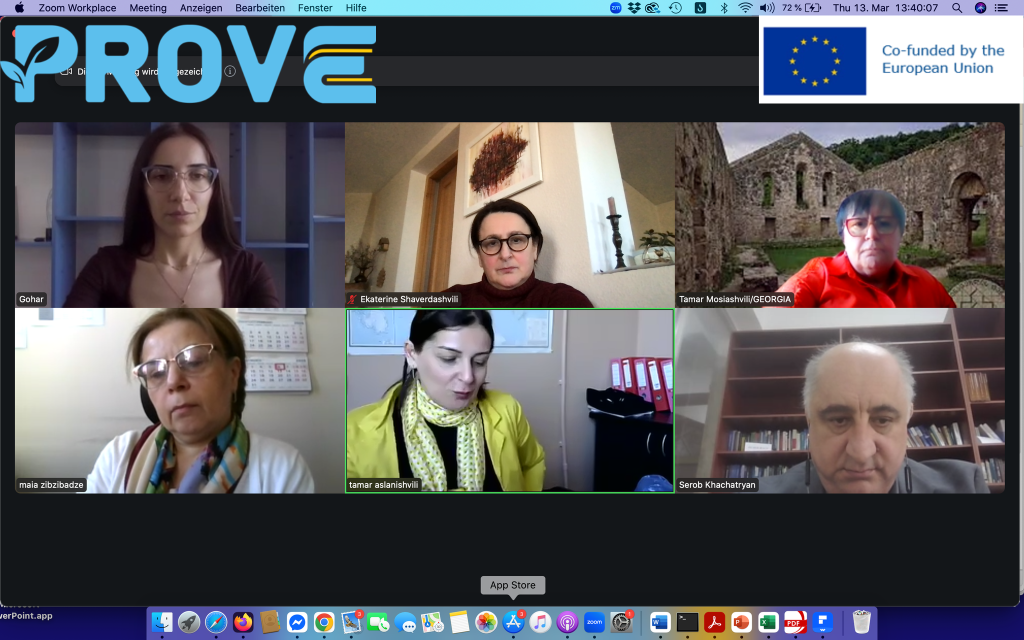
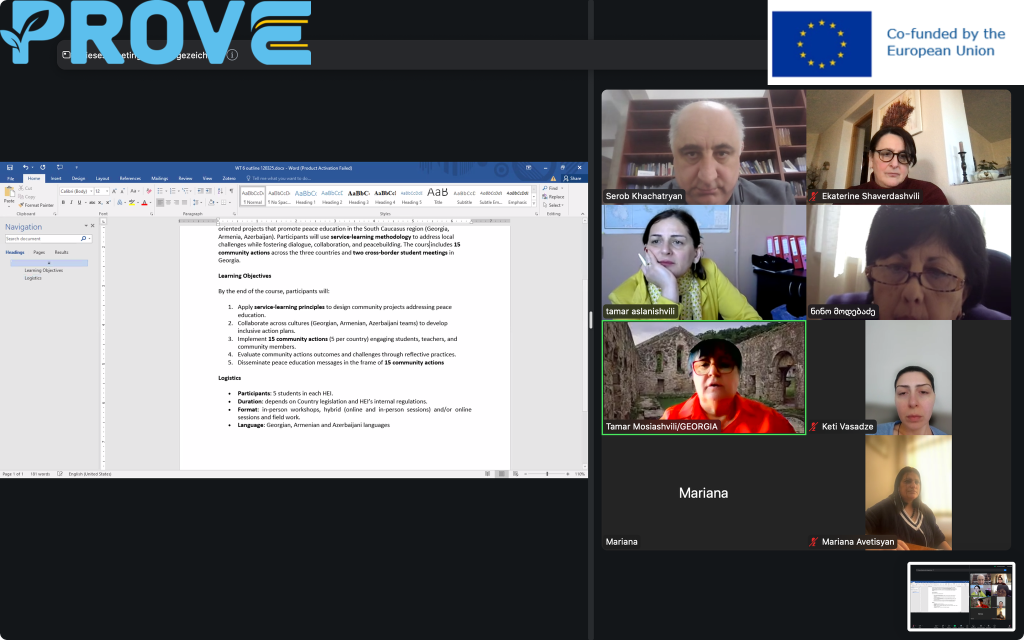
განვითარების სამუშაო პაკეტის (WP2) ფარგლებში მე-2 გუნდმა თამარ მოსიაშვილის (ილიას სახელმწიფო უნივერსიტეტი) კოორდინაციით შეიმუშავა უმაღლესი განათლების კურსების სერია, რომელიც მომავალ მასწავლებლებს აცნობს VaKE-ის ფილოსოფიასა და პრაქტიკას.
ზოგიერთი კურსი მთლიანად ეთმობა VaKE მეთოდოლოგიის თეორიულ შესწავლას, ზოგი კი ამ მეთოდოლოგიას მასწავლებელთა განათლების სხვა დამოუკიდებელი კურსების სასწავლო პროგრამებში აერთიანებს, რაც თითოეული უნივერსიტეტის აკადემიურ სტრუქტურასა და ეროვნულ კონტექსტზეა მორგებული. მათი საერთო მიზანია, დაეხმაროს მომავალ მასწავლებლებს ეთიკური რეფლექსიისა და ცოდნის შეძენის პროცესის დაკავშირებაში, რაც ხელს უწყობს ემპათიის, კრიტიკული აზროვნებისა და სამოქალაქო პასუხისმგებლობის განვითარებას საკლასო ოთახში.
საერთო ფოკუსი და მეთოდოლოგია
კურსები ეფუძნება კონსტრუქტივისტულ საფუძვლებს (პიაჟეს, ვიგოტსკისა და კოლბერგის იდეებს) და ხაზს უსვამს ინტერაქციულ სწავლებას დილემებზე მსჯელობის, ჯგუფური პროექტებისა და რეფლექსიური აქტივობების საშუალებით. ტრადიციული ფინალური გამოცდები ჩანაცვლებულია უწყვეტი შეფასებით, სადაც მექანიკურ დამახსოვრებაზე მეტად მორალური ძიების პროცესი ფასდება.
მე-2 გუნდის მიერ შემუშავებული კურსები::
• ილიას სახელმწიფო უნივერსიტეტი (ISU) — ღირებულებითი განათლება, შემუშავებულია ეკატერინე შავერდაშვილისა და თამარ მოსიაშვილის მიერ. ეს 6-კრედიტიანი კურსი უზრუნველყოფს VaKE მეთოდოლოგიის სიღრმისეულ თეორიულ და პრაქტიკულ გააზრებას. კურსის ფარგლებში სტუდენტები ისწავლიან ღირებულებების ფორმირებასა და მათ გამოყენებას საგანმანათლებლო გარემოში, ასევე შექმნიან გაკვეთილის გეგმებს ეთიკური დილემების ინტეგრირებით.
• თელავის სახელმწიფო უნივერსიტეტი (TESAU) — ღირებულებებსა და ცოდნაზე დაფუძნებული განათლება, შემუშავებულია ნათია გაბაშვილის მიერ. ეს 3-კრედიტიანი კურსი ფოკუსირებულია პედაგოგიური ფსიქოლოგიისა და მორალური განვითარების თეორიების დაკავშირებაზე. კურსის ფარგლებში სტუდენტები მონაწილეობას მიიღებენ დილემებზე დაფუძნებულ დისკუსიებში და გამოიყენებენ VaKE სტრატეგიებს საკლასო სცენარებში.
• კავკასიის უნივერსიტეტი (CU) — ღირებულებითი განათლება (VaKE) დაწყებით პედაგოგიკაში, შემუშავებულია მაია ზიბზიბაძის მიერ. ეს 5-კრედიტიანი კურსი აჩვენებს VaKE-ის გამოყენების შესაძლებლობებს დაწყებითი განათლების კონტექსტში. კურსის ფარგლებშუ სტუდენტები შექმნიან ინტერაქციულ საგაკვეთილო გეგმებს, რომლებშიც დაბალანსებული იქნება როგორც კოგნიტური, ასევე ეთიკური მიზნები დაწყებით კლასებში.
• სომხეთის სახელმწიფო პედაგოგიური უნივერსიტეტი (ASPU) — ღირებულებებსა და ცოდნაზე დაფუძნებული განათლება მშვიდობისა და თანამშრომლობისთვის, შემუშავებულია მარიანა ჰარუთიუნიანისა და ტიგრან მიქაელიანის მიერ. ეს 2-კრედიტიანი კურსი VaKE მეთოდოლოგიას აკავშირებს მშვიდობისა და მოქალაქეობით განათლებასთან. კურსის ფარგლებში სტუდენტები ისწავლიან კულტურათაშორის დიალოგს, თანამშრომლობასა და კონფლიქტების მოგვარებას მორალური მსჯელობის გზით.
• ერევნის სახელმწიფო უნივერსიტეტი (YSU) — ღირებულებებსა და ცოდნაზე ორიენტირებული განათლება (VaKE), შემუშავებულია ლუსინე ჰაირაპეტიანის, სერობ ხაჩატრიანისა და მარინე იაგუბიანის მიერ. ეს არის 2-კრედიტიანი კურსი, რომელიც VaKE-ს განიხილავს, როგორც საკვანძო კონცეფციას პედაგოგიურ ეთიკაში. კურსის ფარგლებში სტუდენტები გააანალიზებენ საგანმანათლებლო და სოციალურ, ცხოვრებისეულ დილემებს, რაც განავითარებს მათი ეთიკური განსჯის უნარს.
ეს კურსები ერთობლივად ქმნის ღირებულებებზე დაფუძნებულ მასწავლებელთა განათლების რეგიონულ მოდელს, რომელიც ერთდროულად ითვალისწინებს ღირებულებითი განათლების საერთო ფილოსოფიურ პრინციპებსა და ადგილობრივ საგანმანათლებლო რეალობას.
აღნიშნული სამუშაო პროცესი თანადაფინანსებულია ევროკავშირის Erasmus+ პროგრამის მიერ და ხელს უწყობს ღირებულებითი განათლების დანერგვას სამხრეთ კავკასიის უმაღლეს სასწავლებლებში.
მეტი ინფორმაციისთვის იხილეთ პროექტის გვერდი: https://prove.tesau.edu.ge