ENG
ENG  GEO
GEO  ARM
ARM 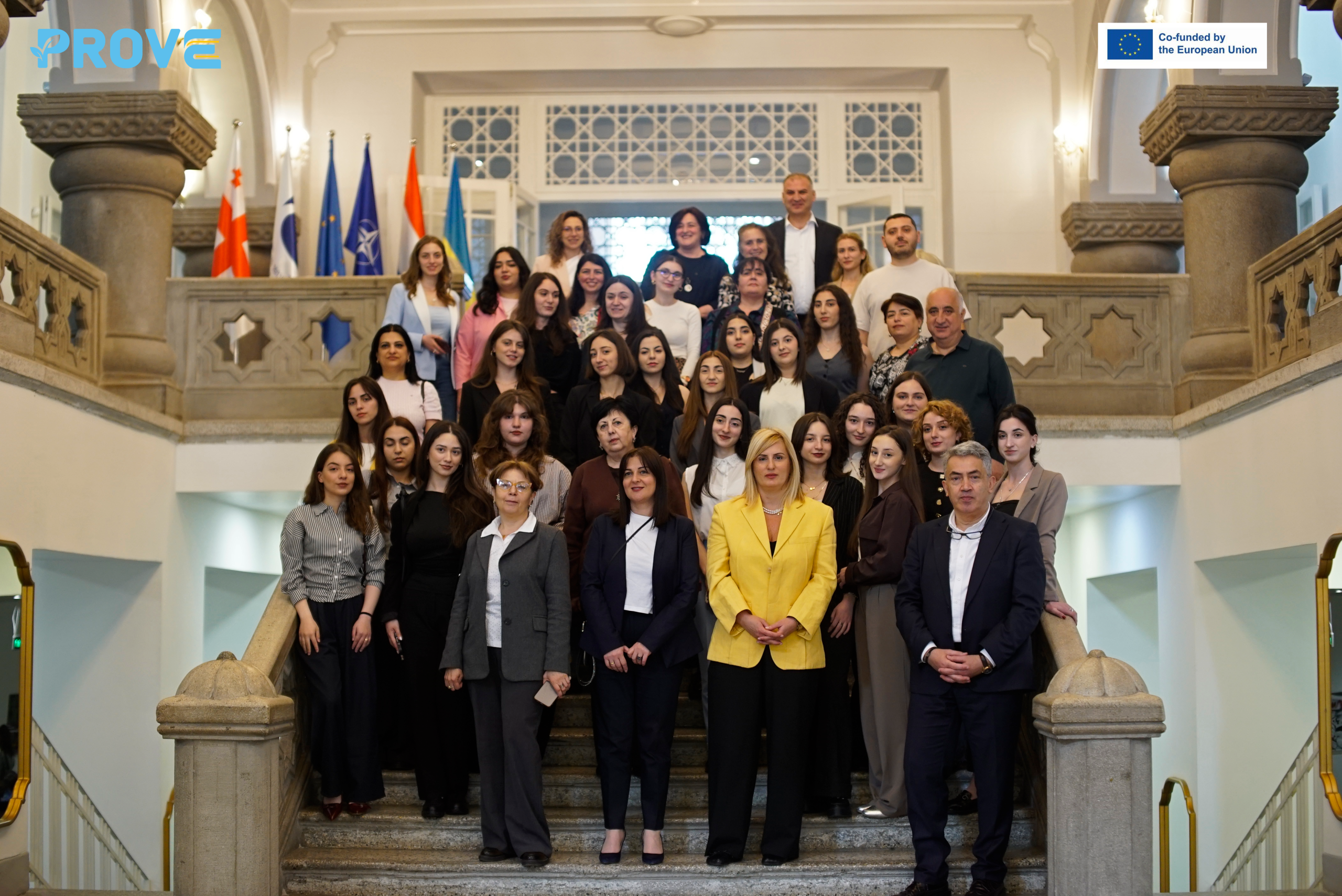
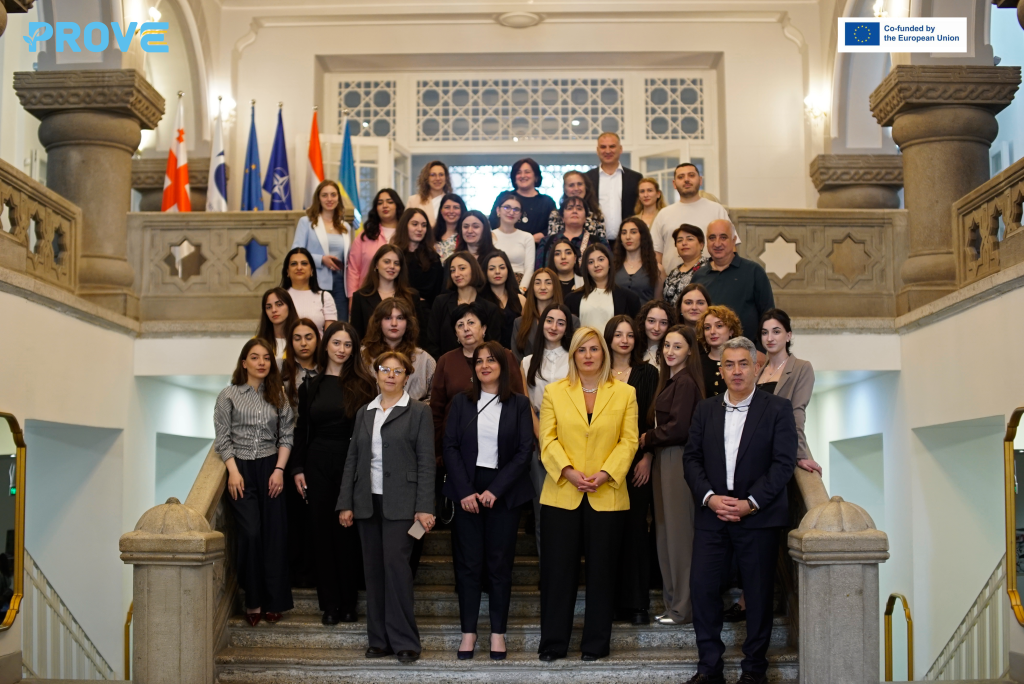
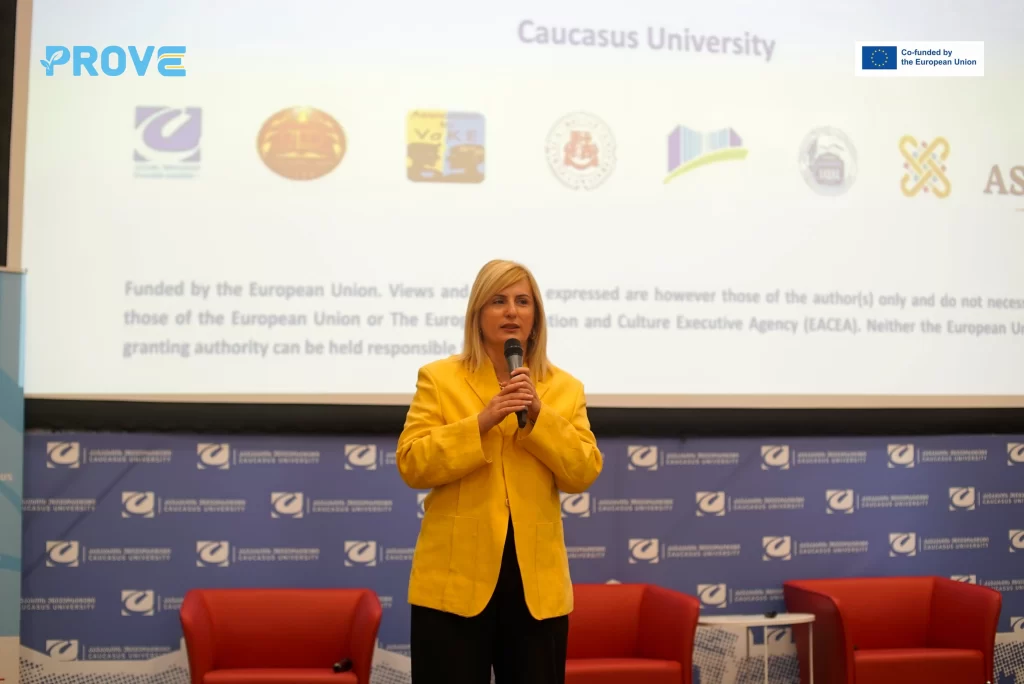
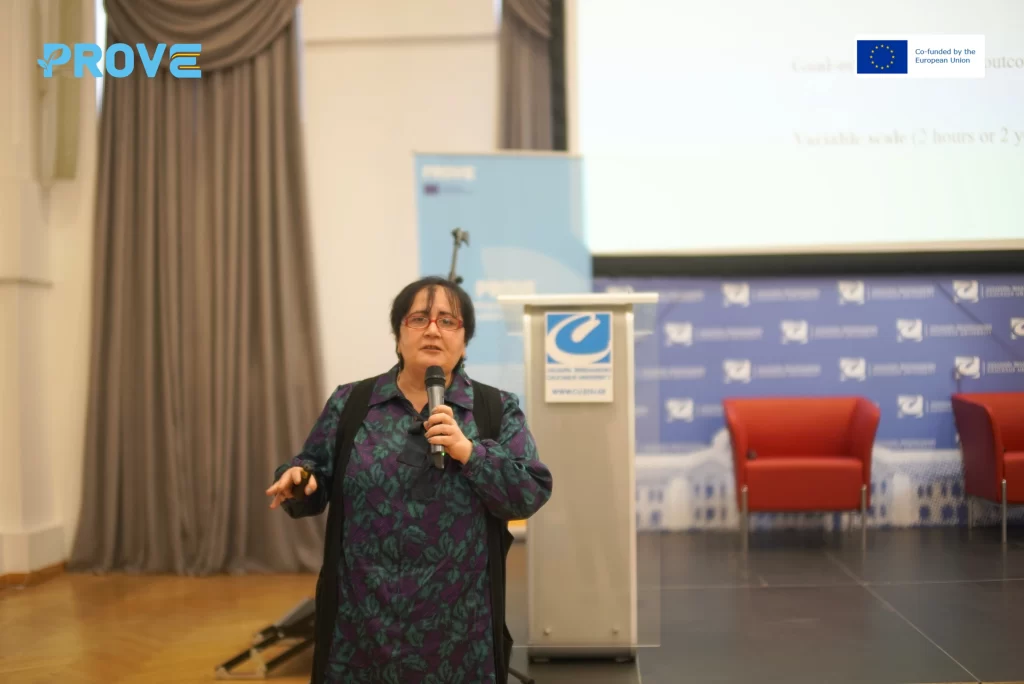
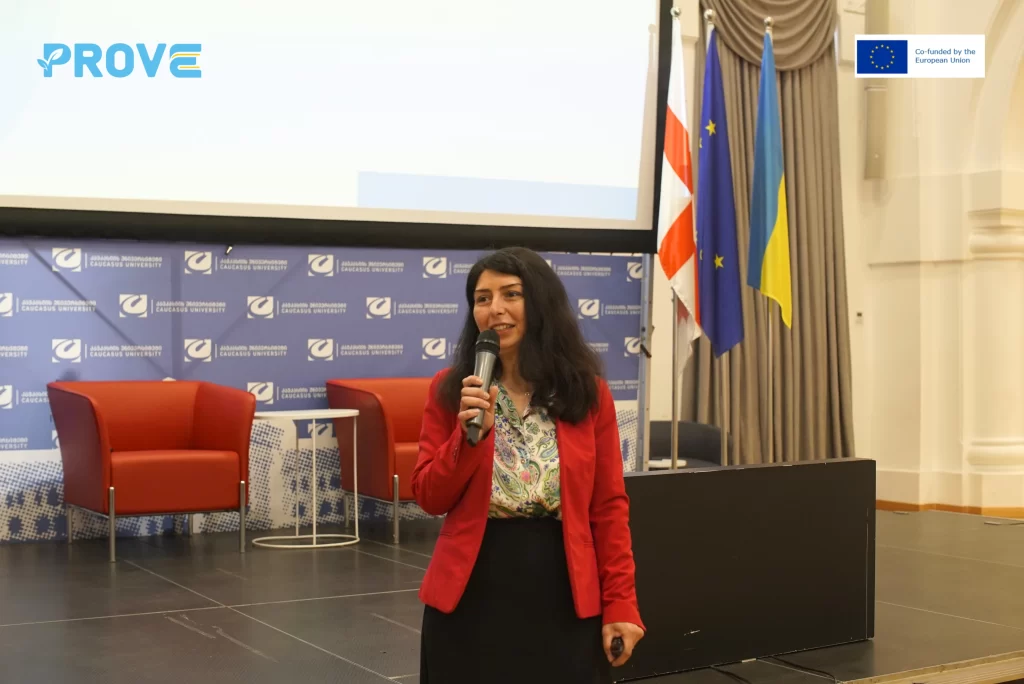
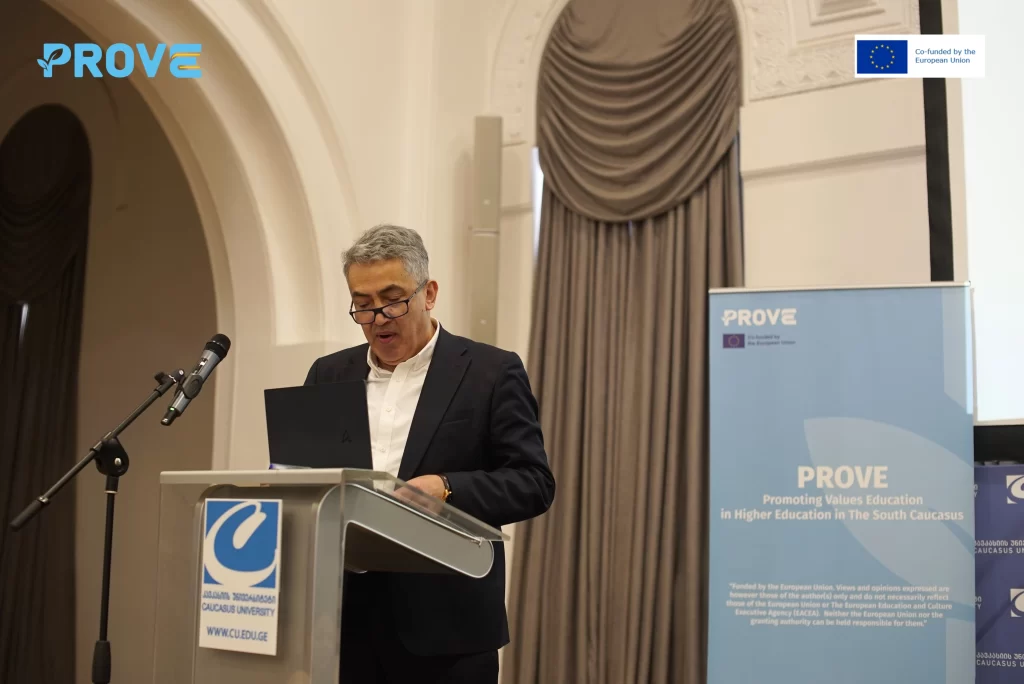
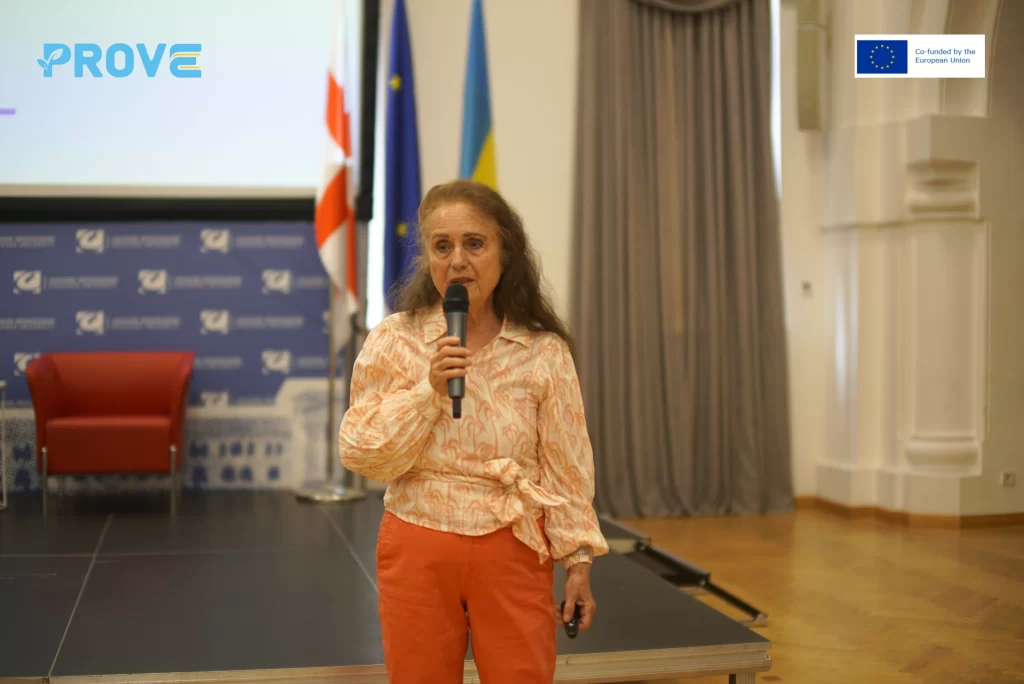
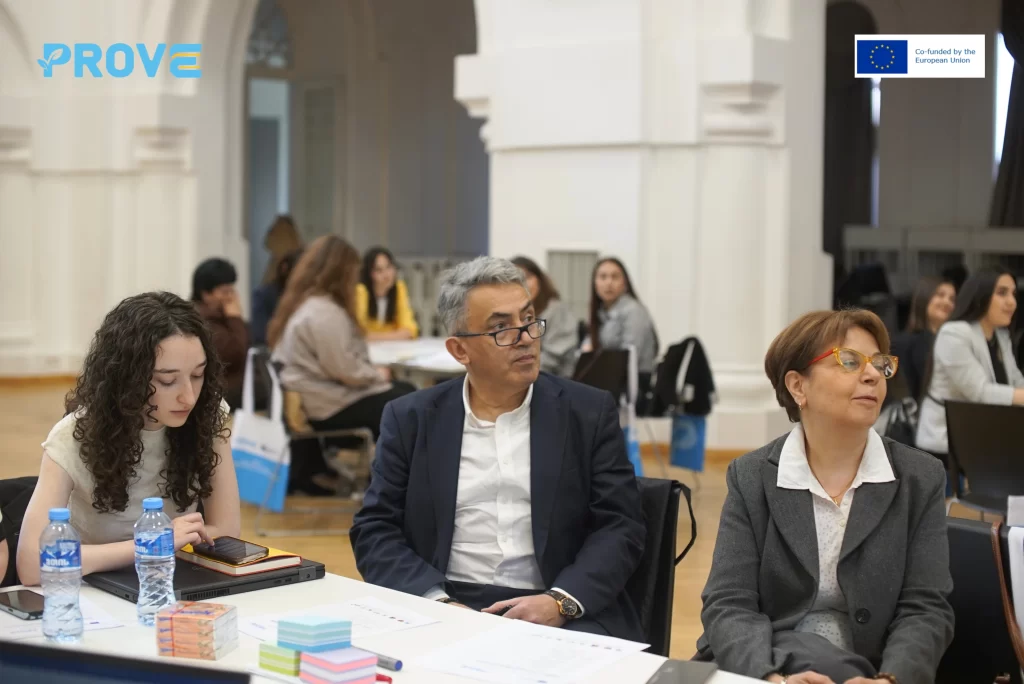
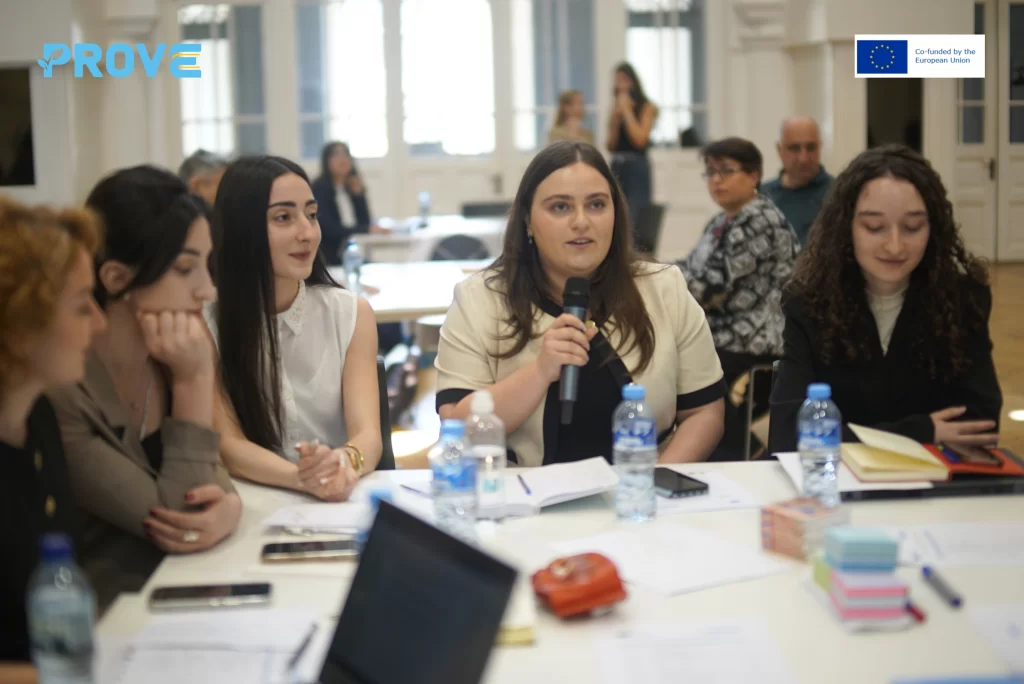
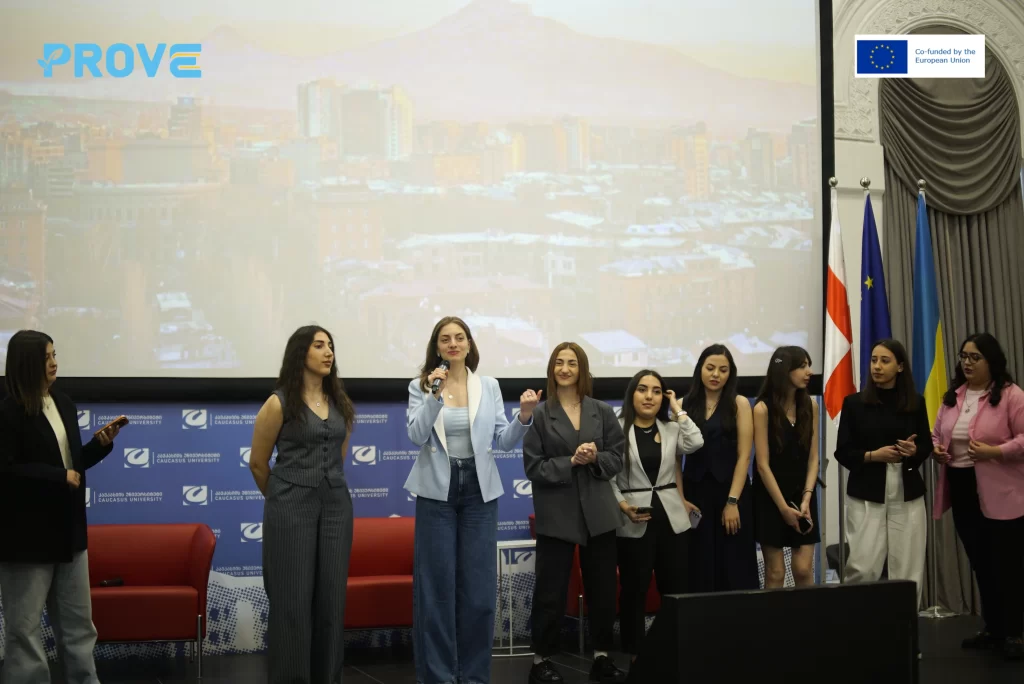
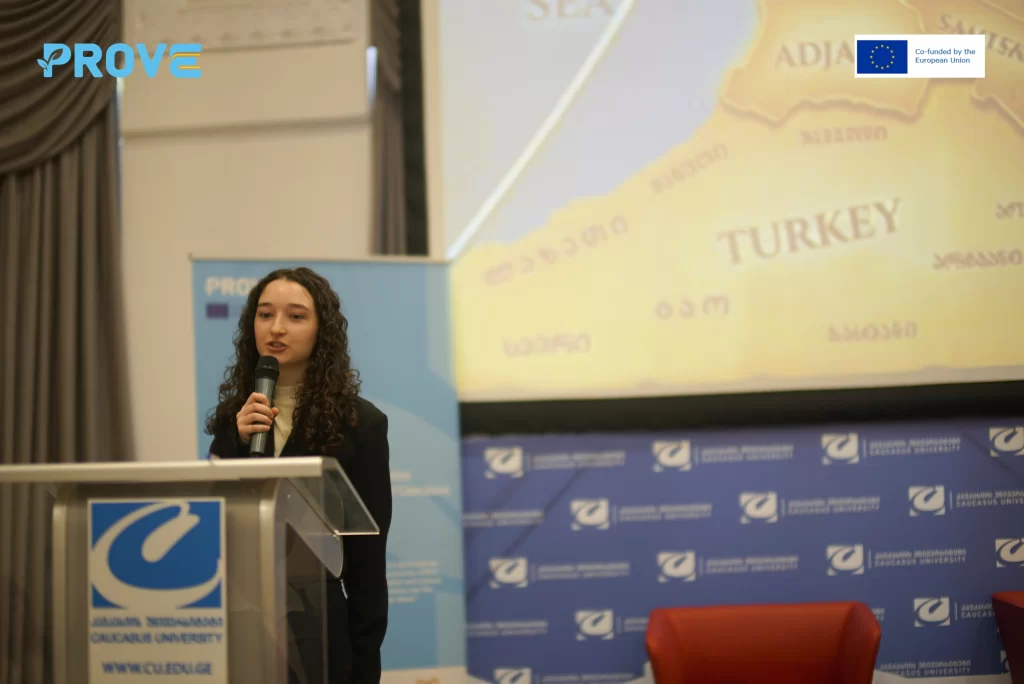
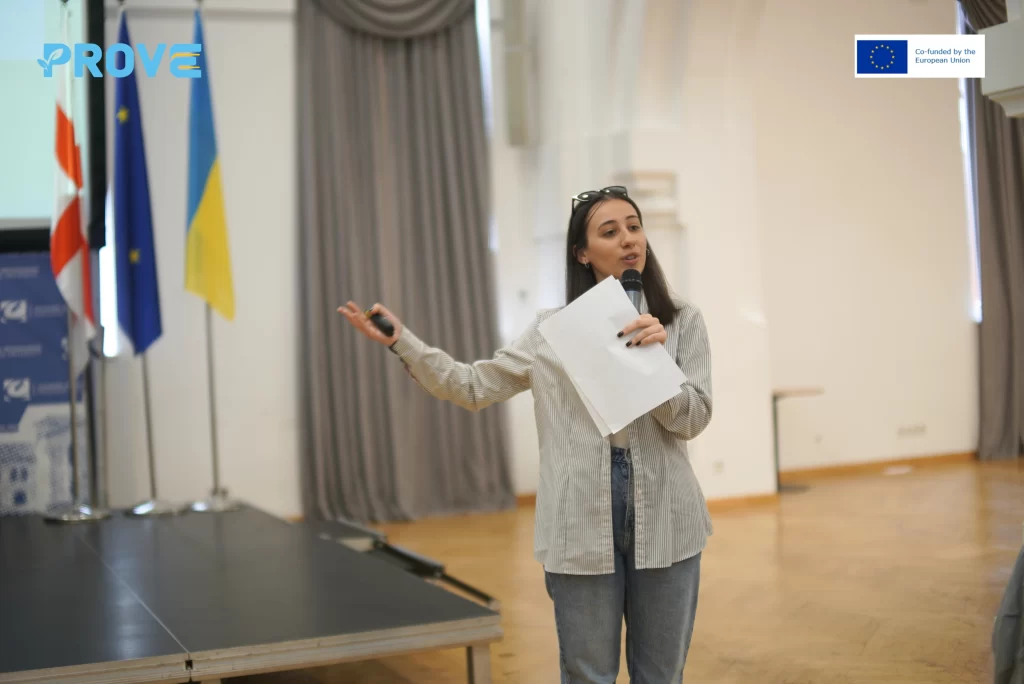
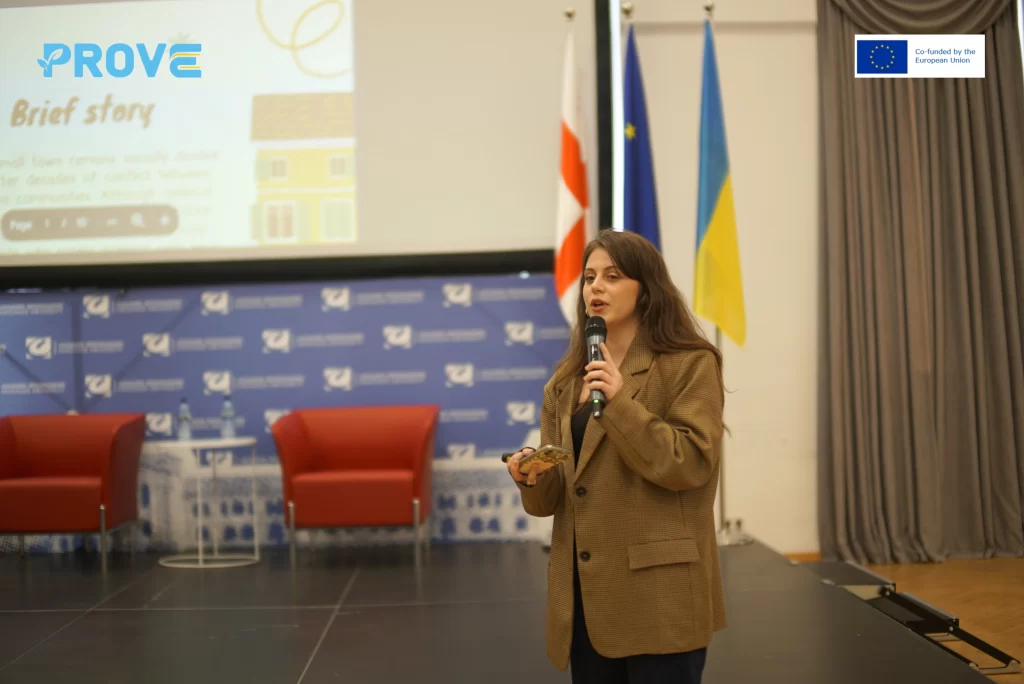
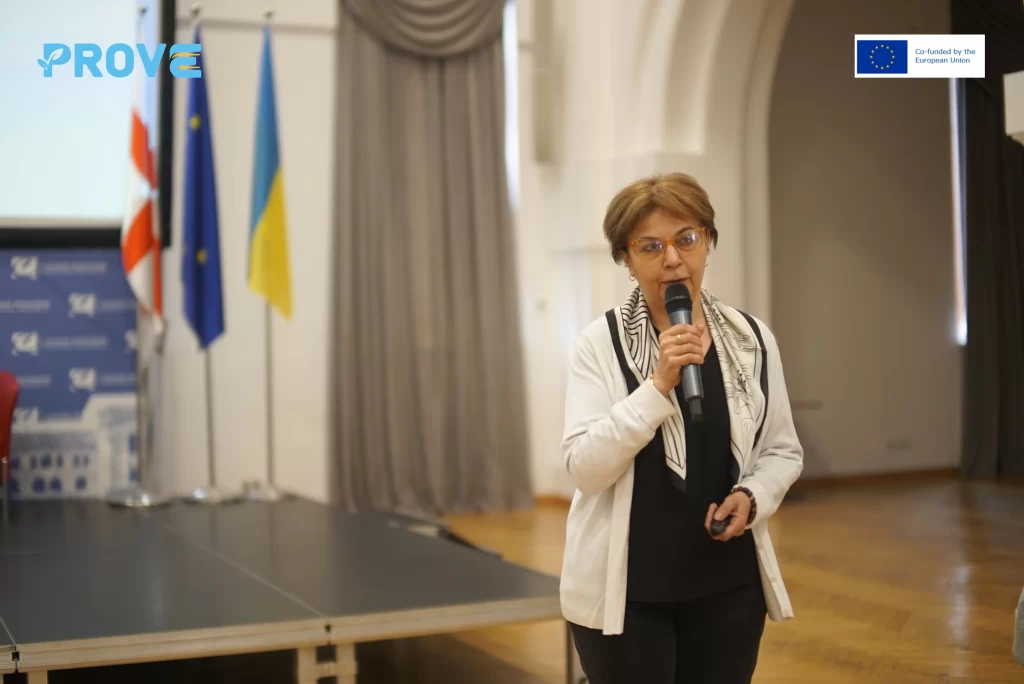
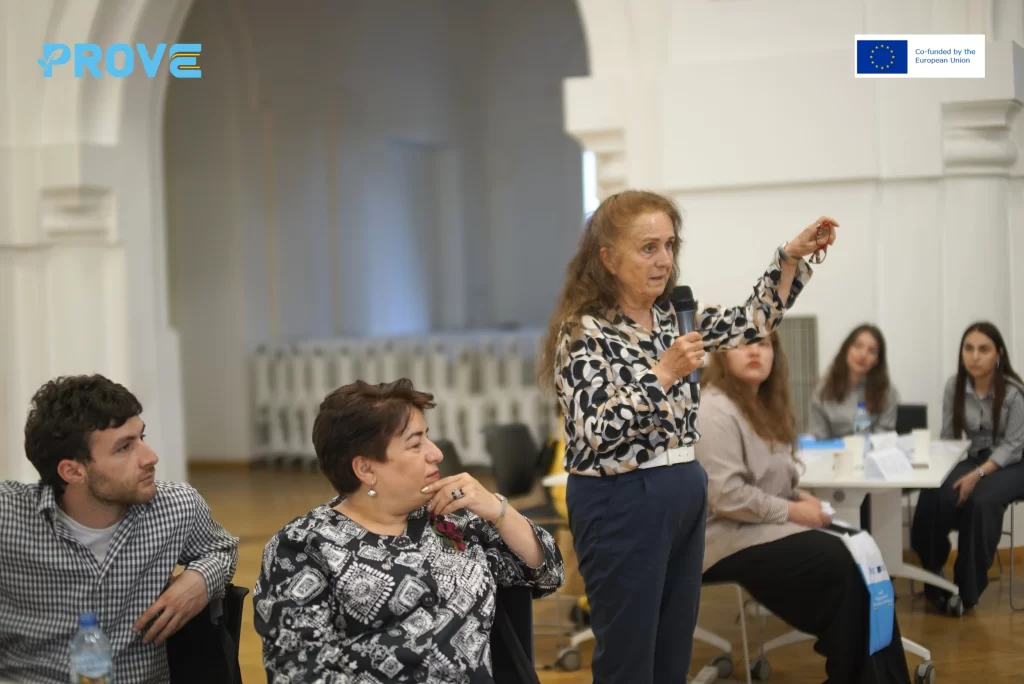
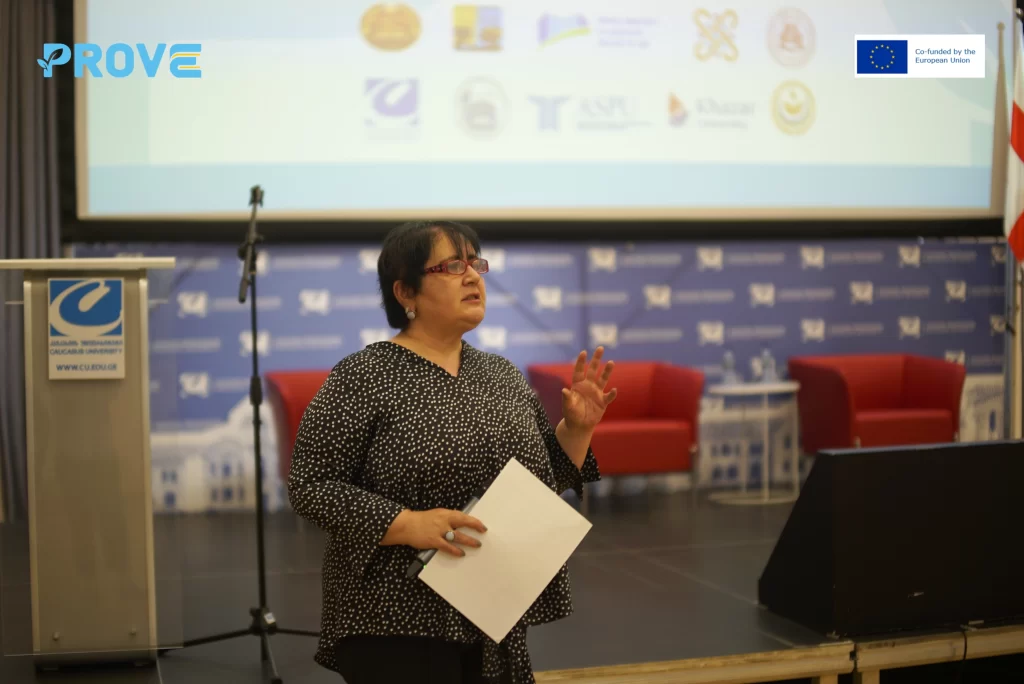
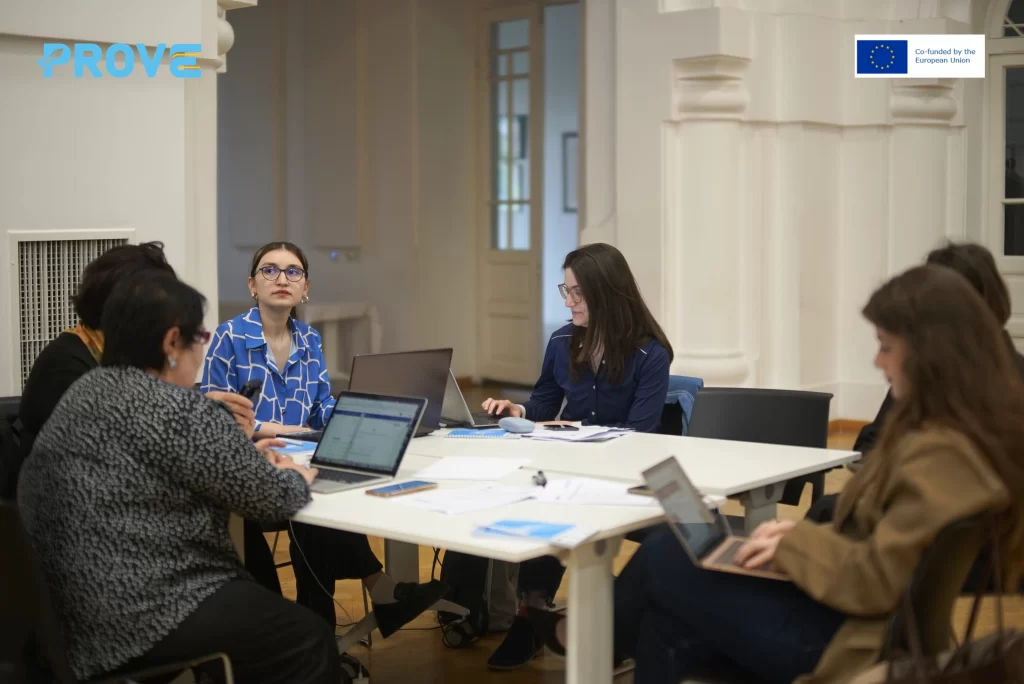
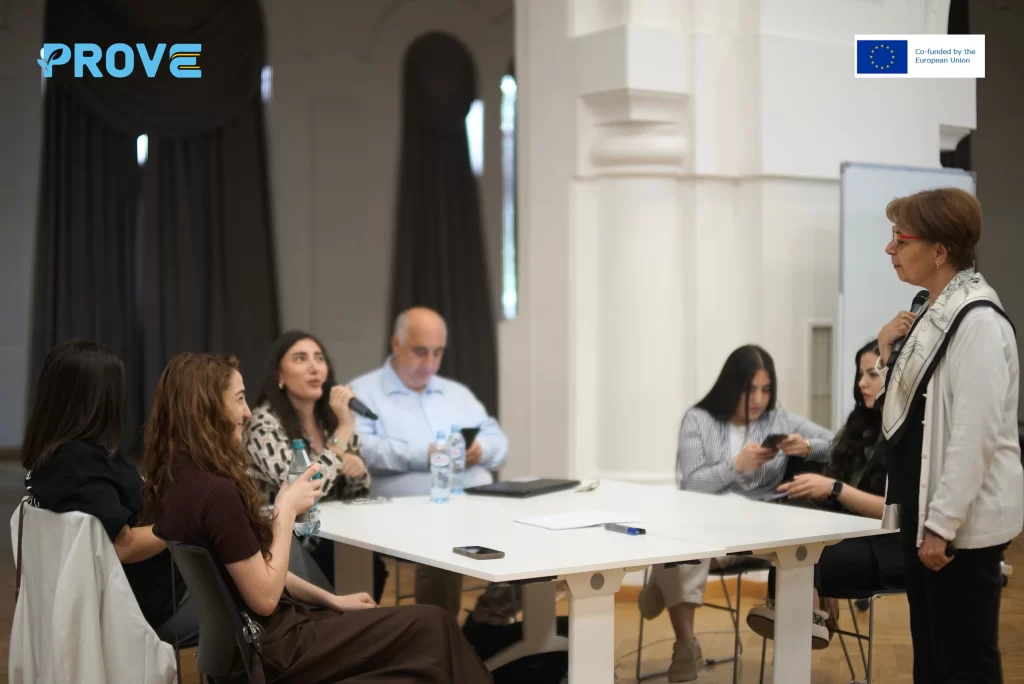
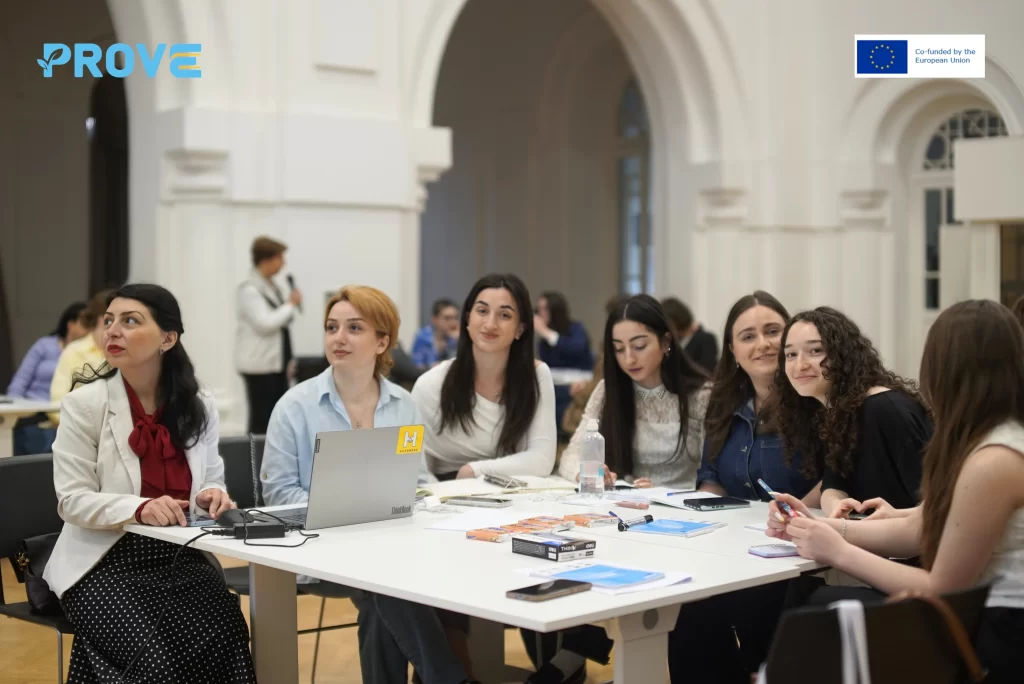
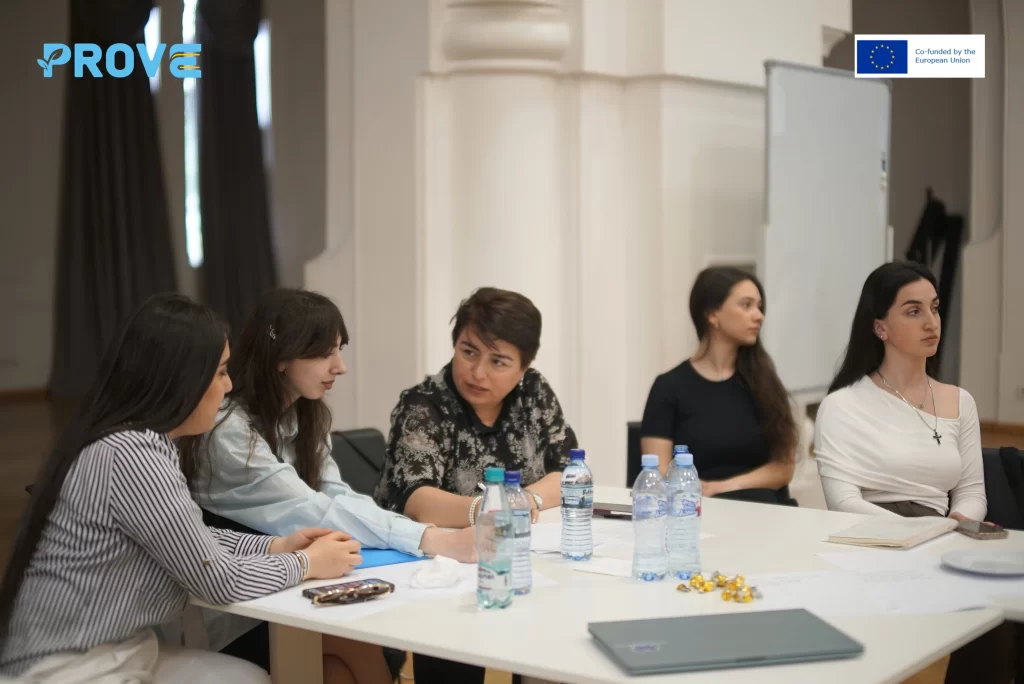
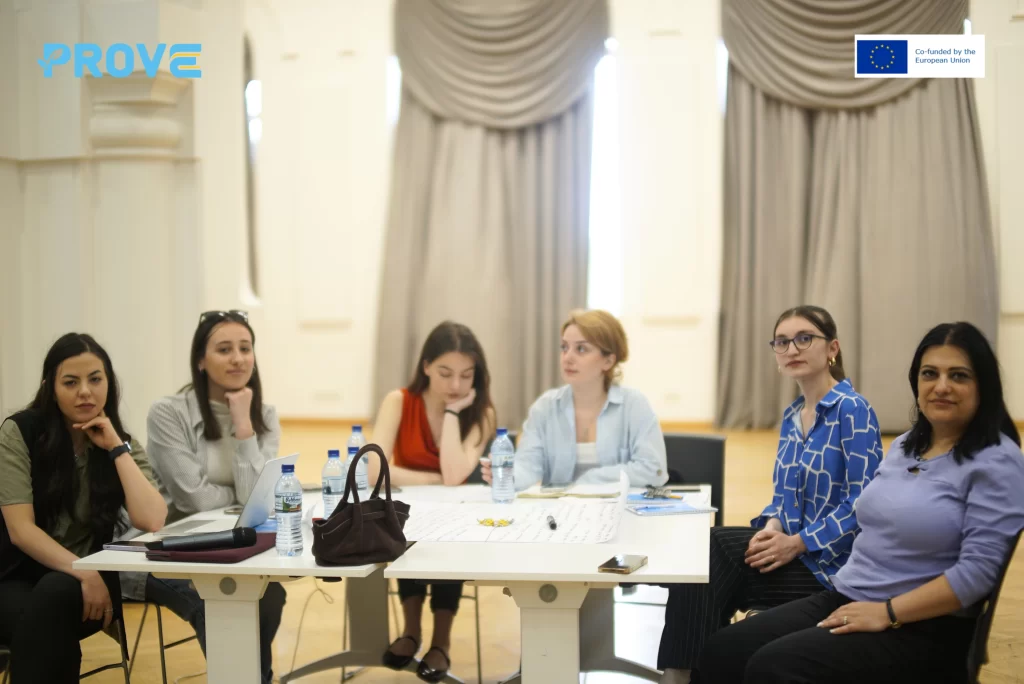
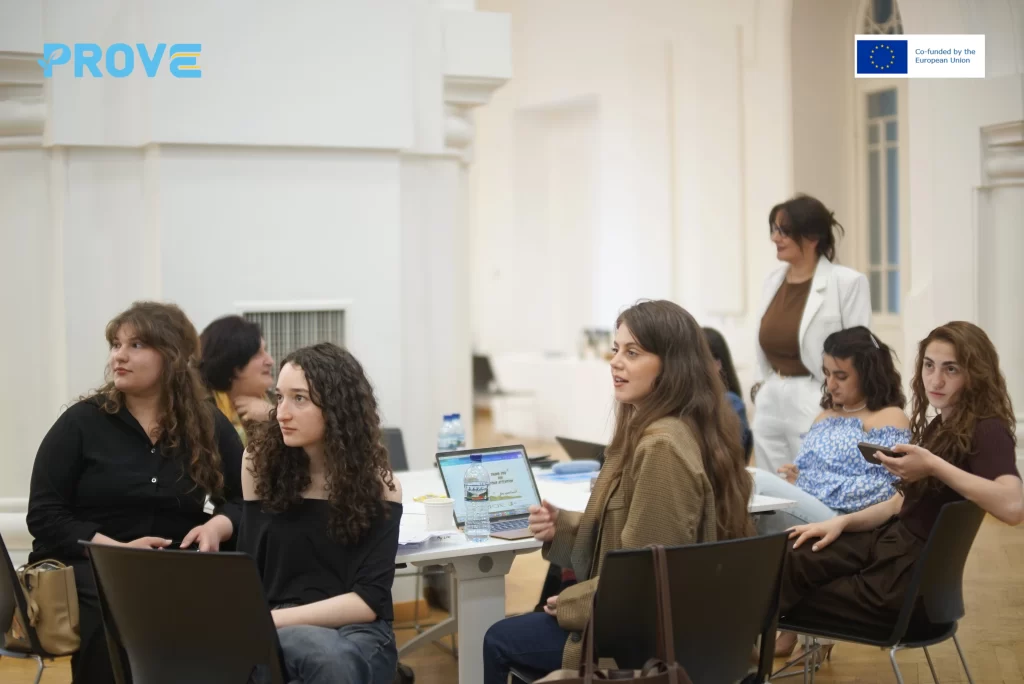
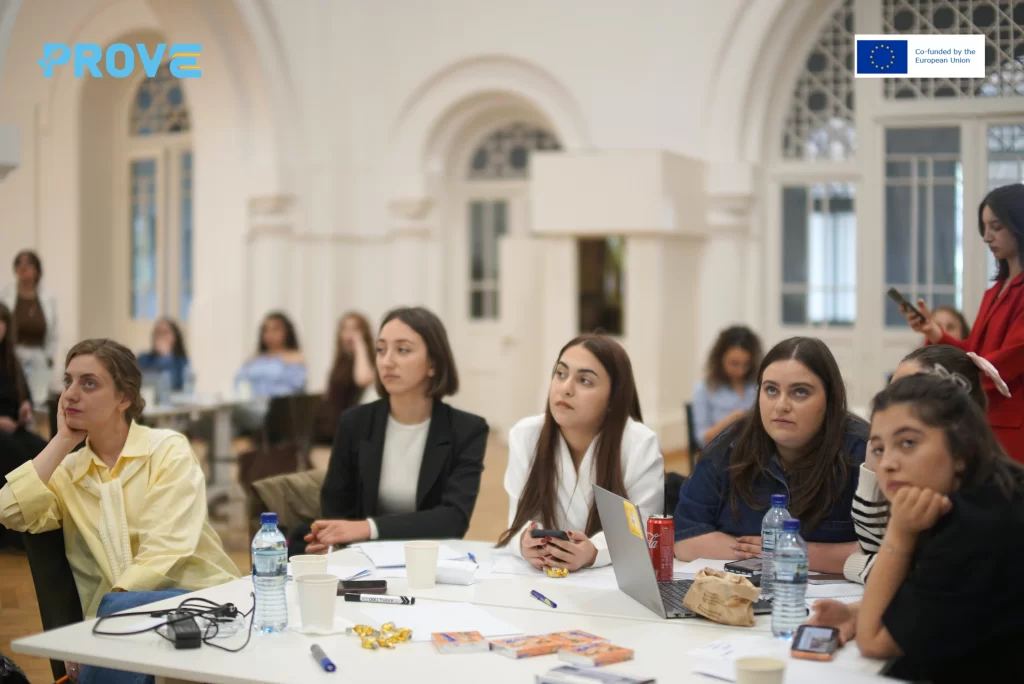
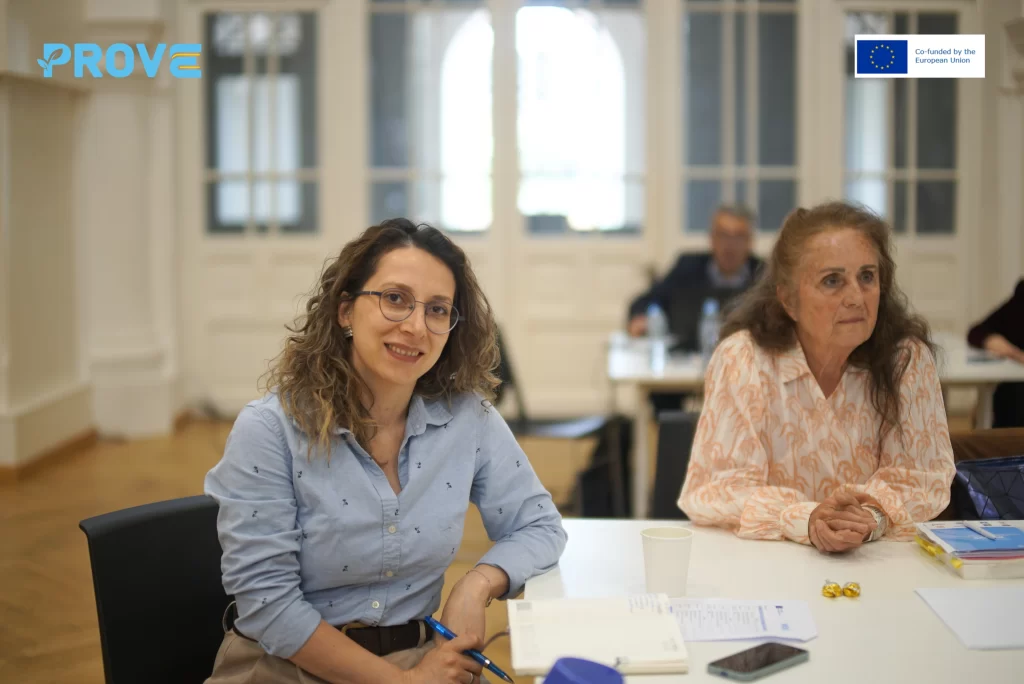
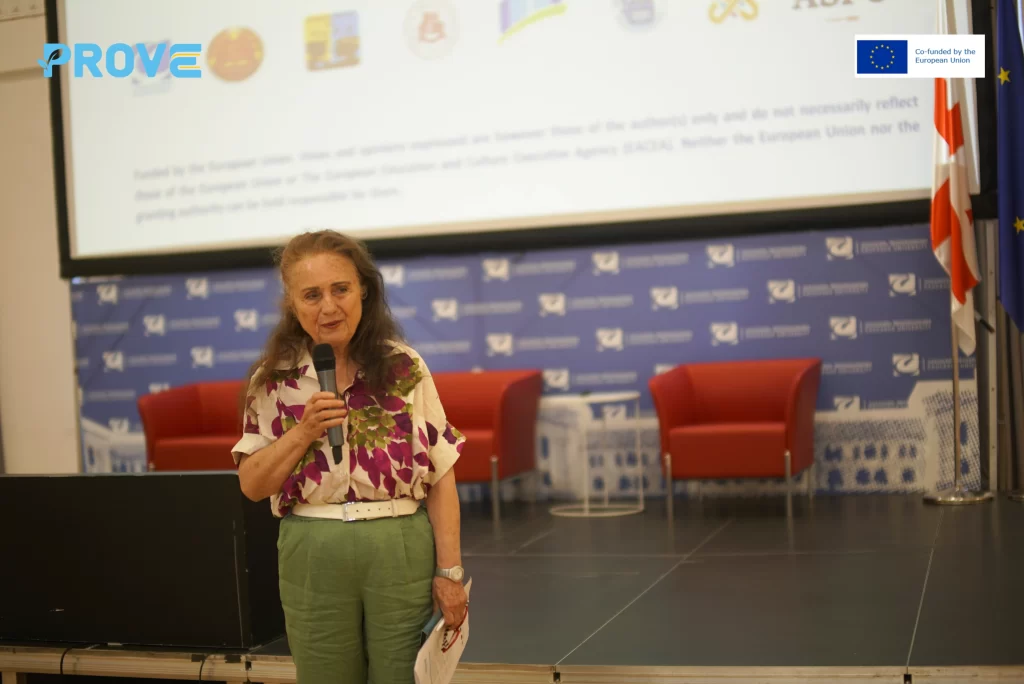
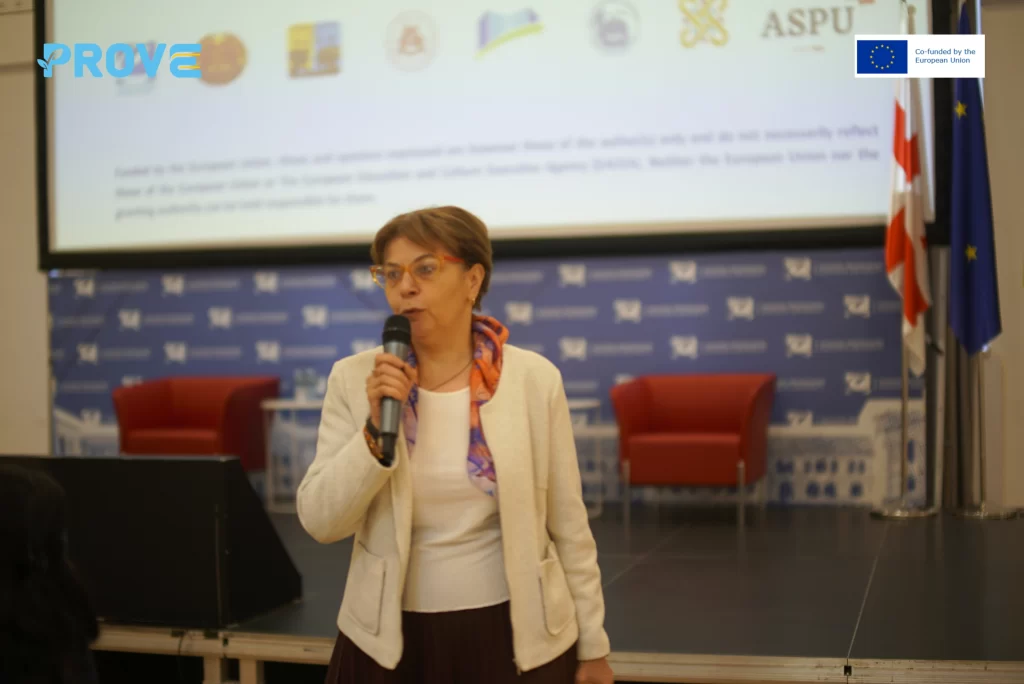
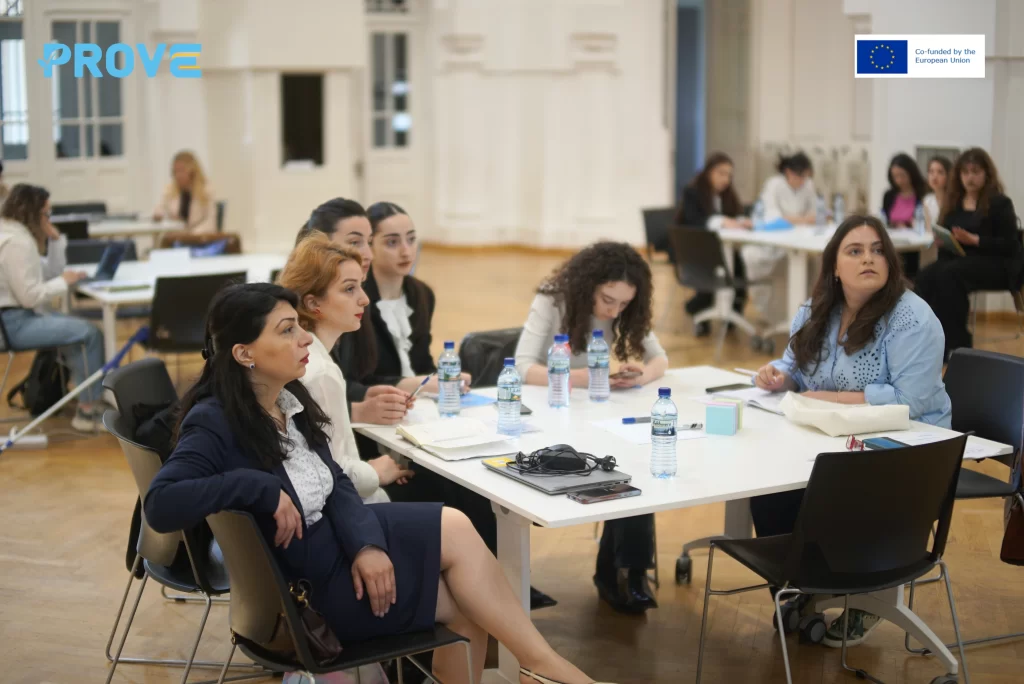
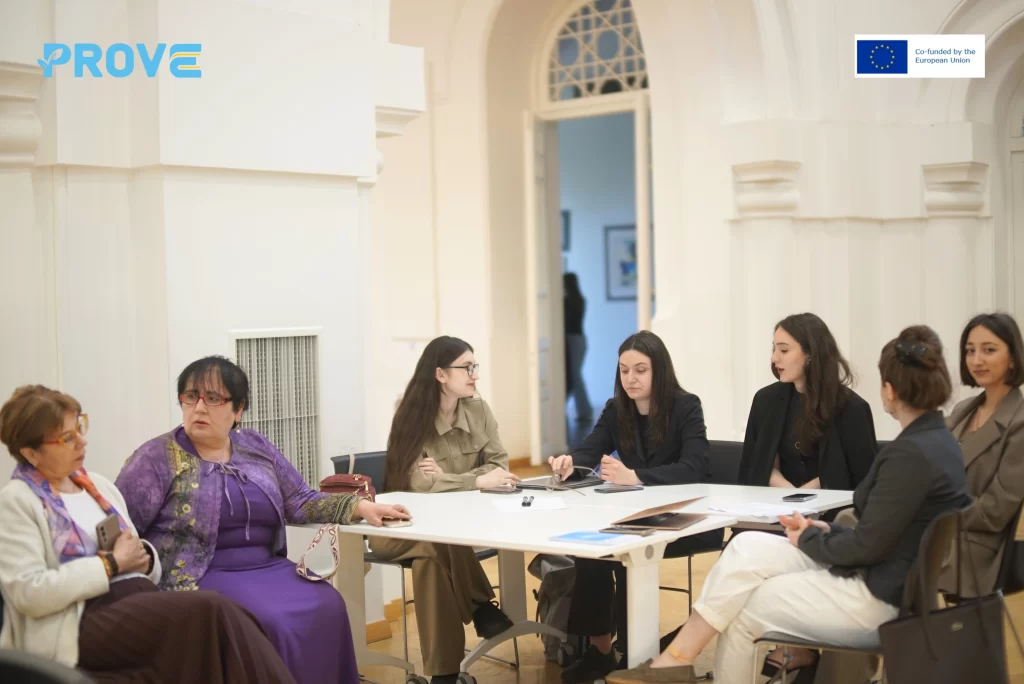
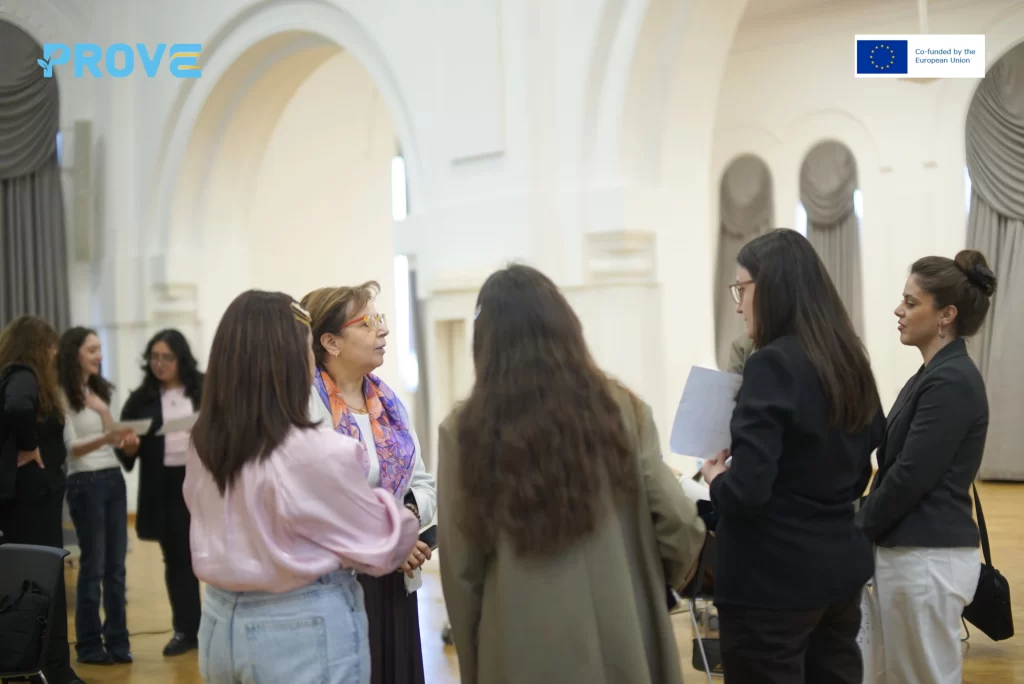
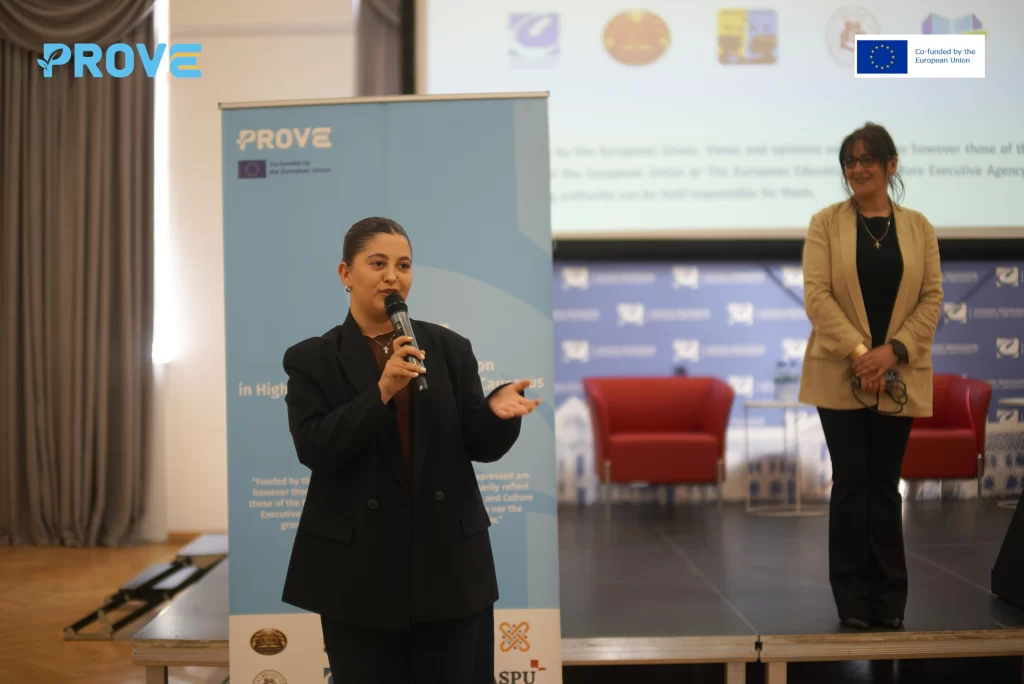
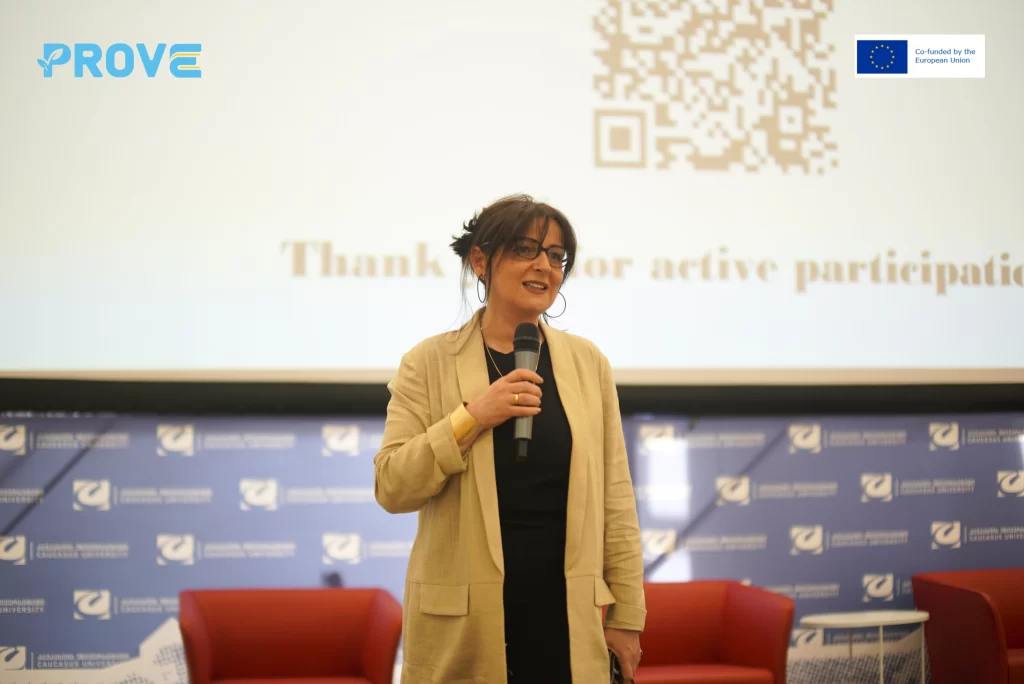
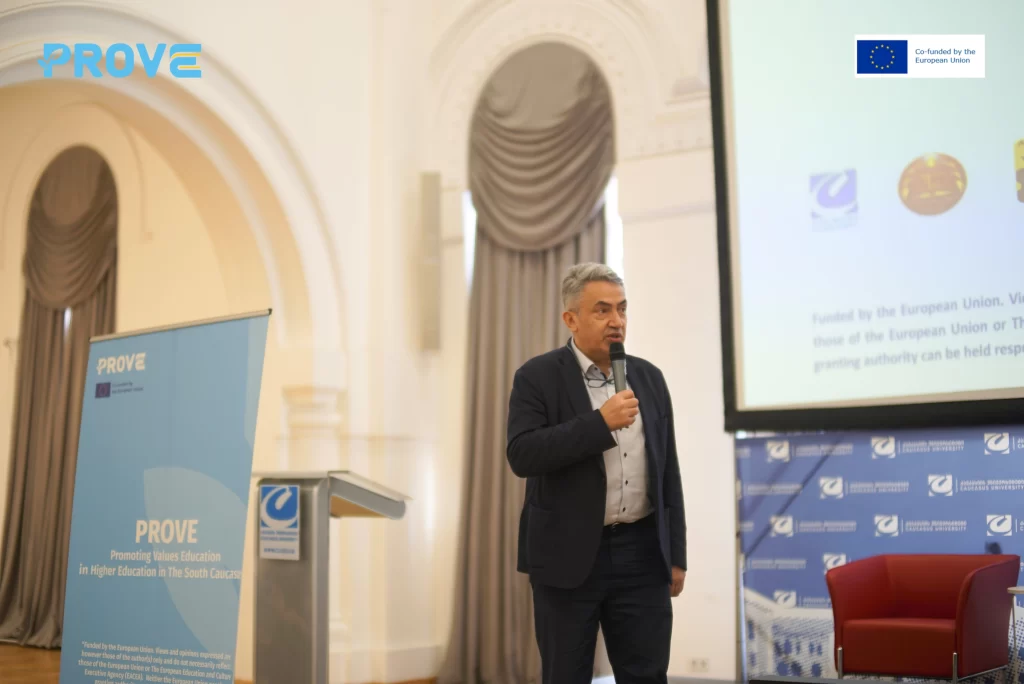
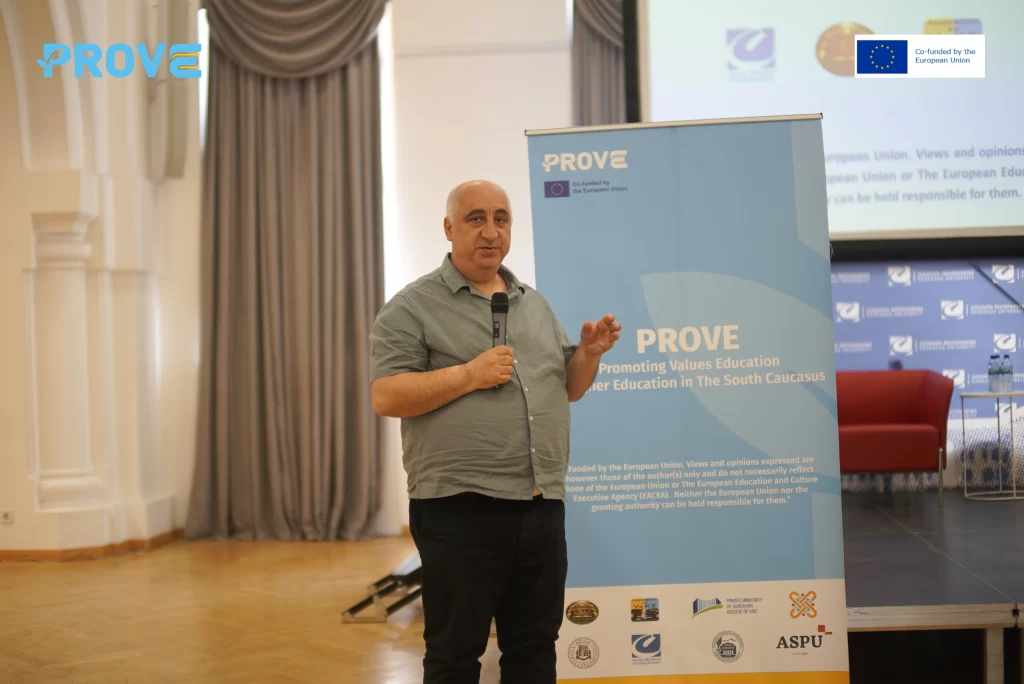
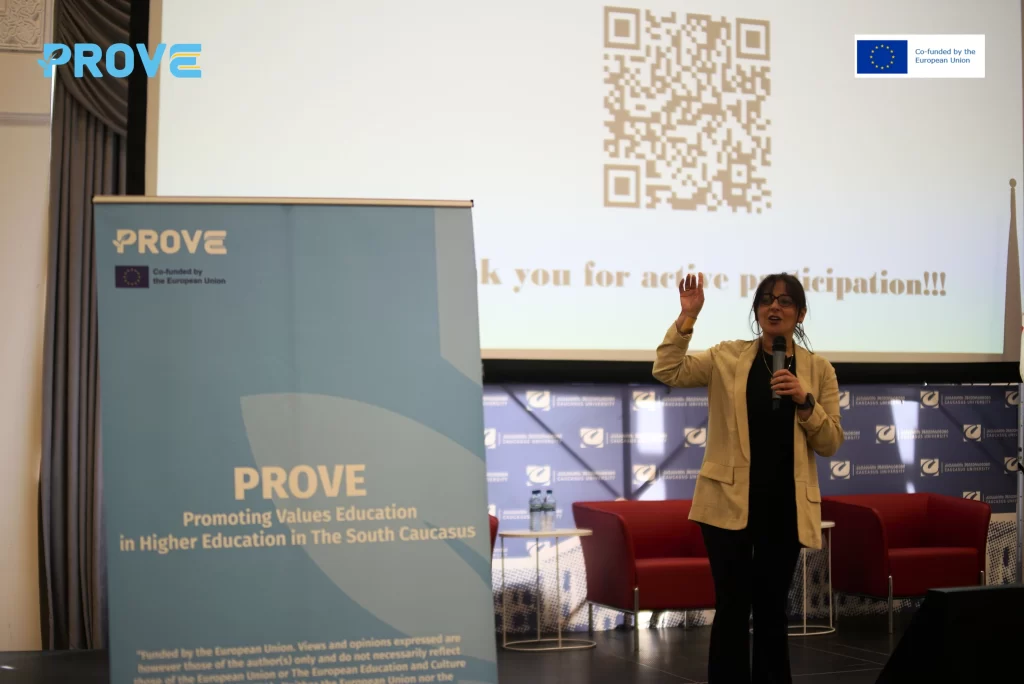
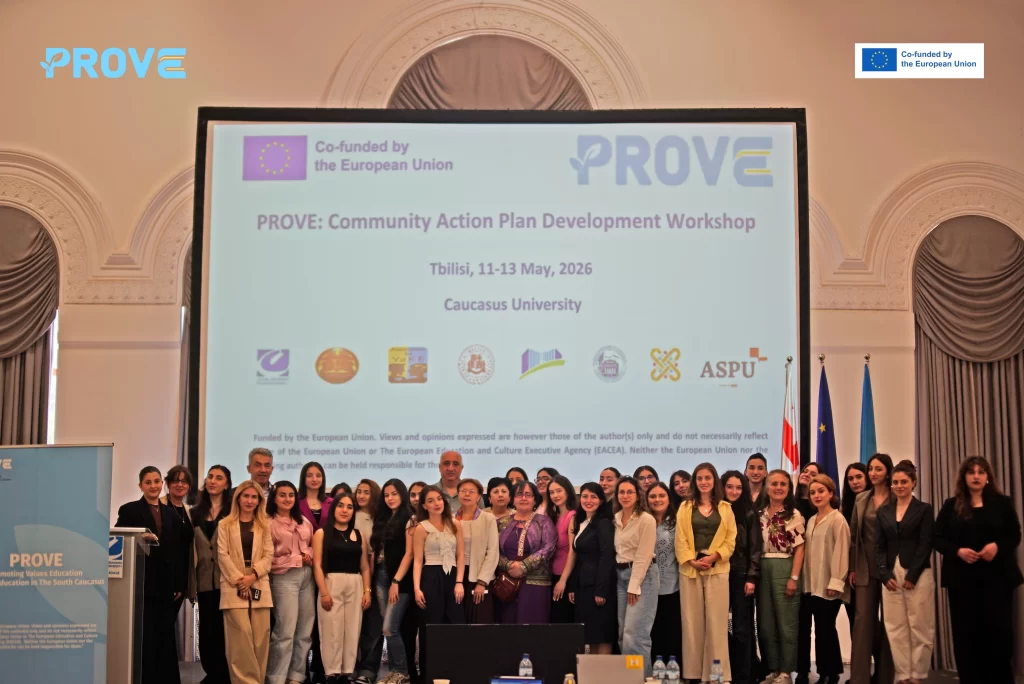
On May 11–13, a three-day student training was held in Georgia within the framework of the PROVE project (“Promoting Values Education in Higher Education Institutions in the South Caucasus”). The event was supported by the Erasmus+ Capacity Building in Higher Education (CBHE) program. The working sessions were hosted by Caucasus University.
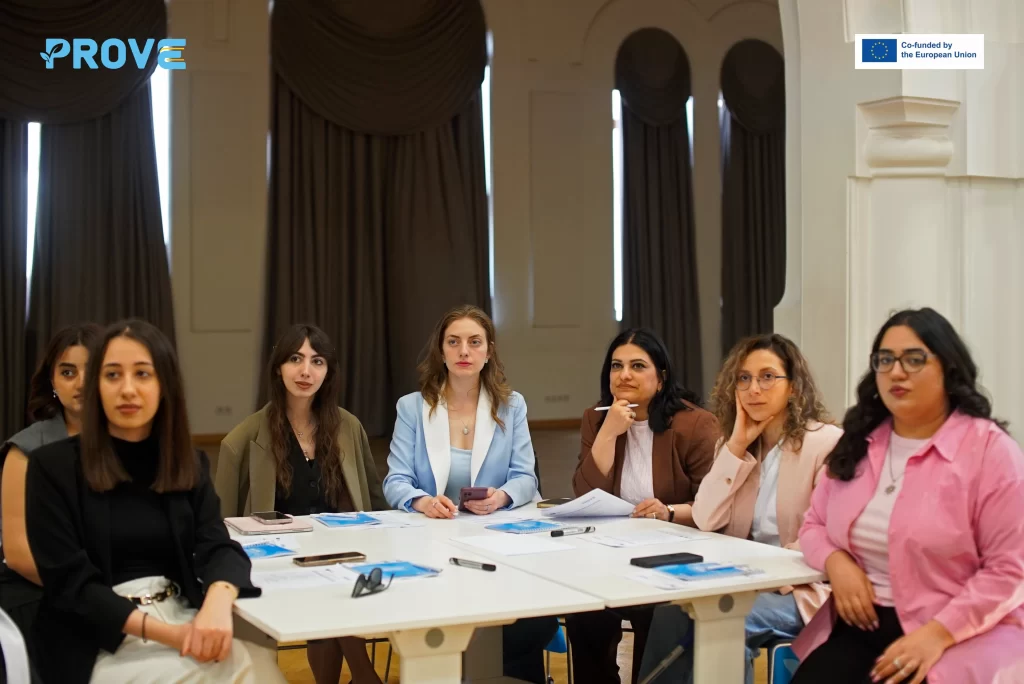
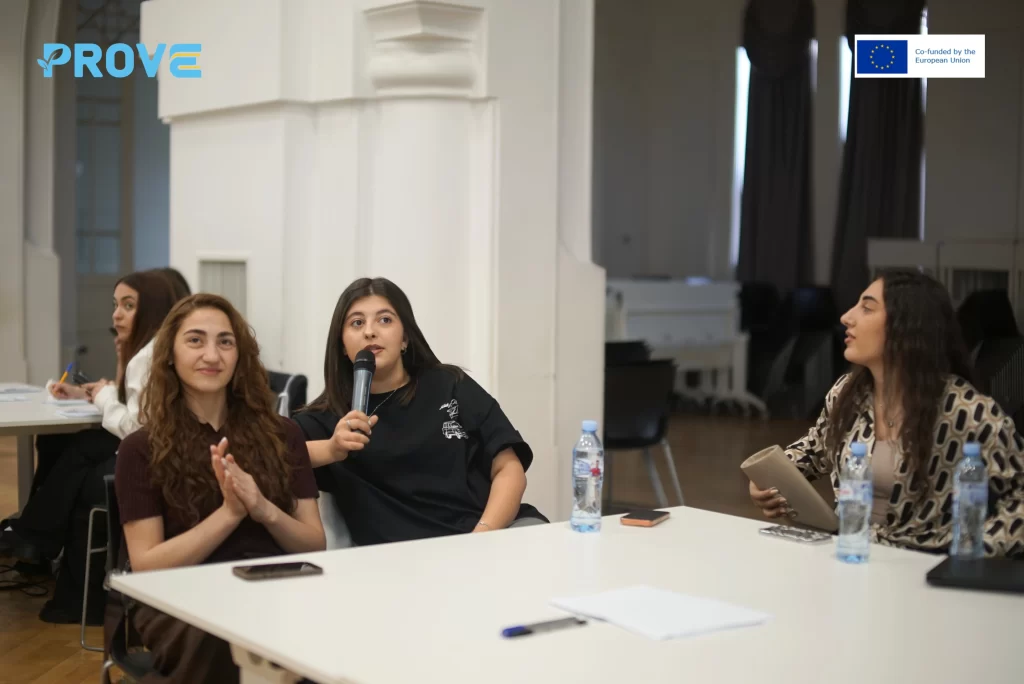
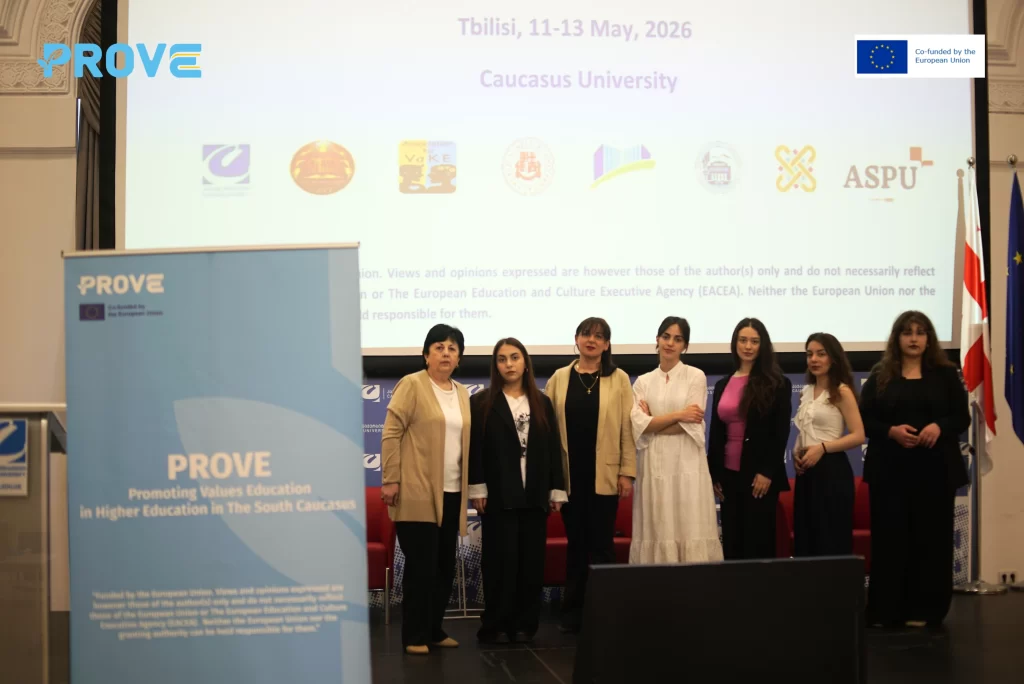
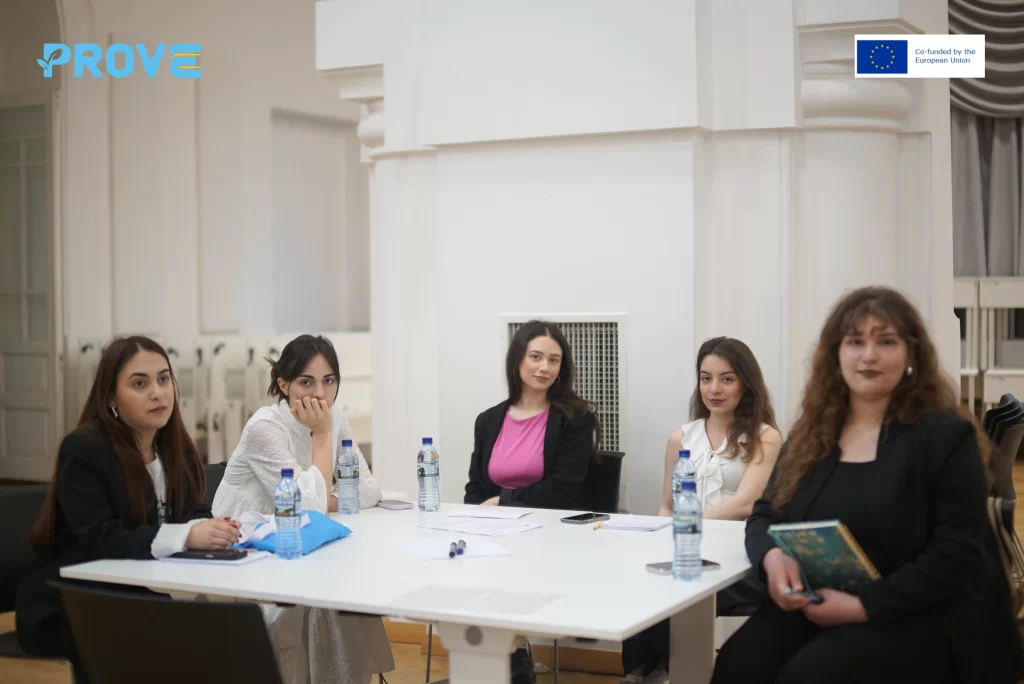
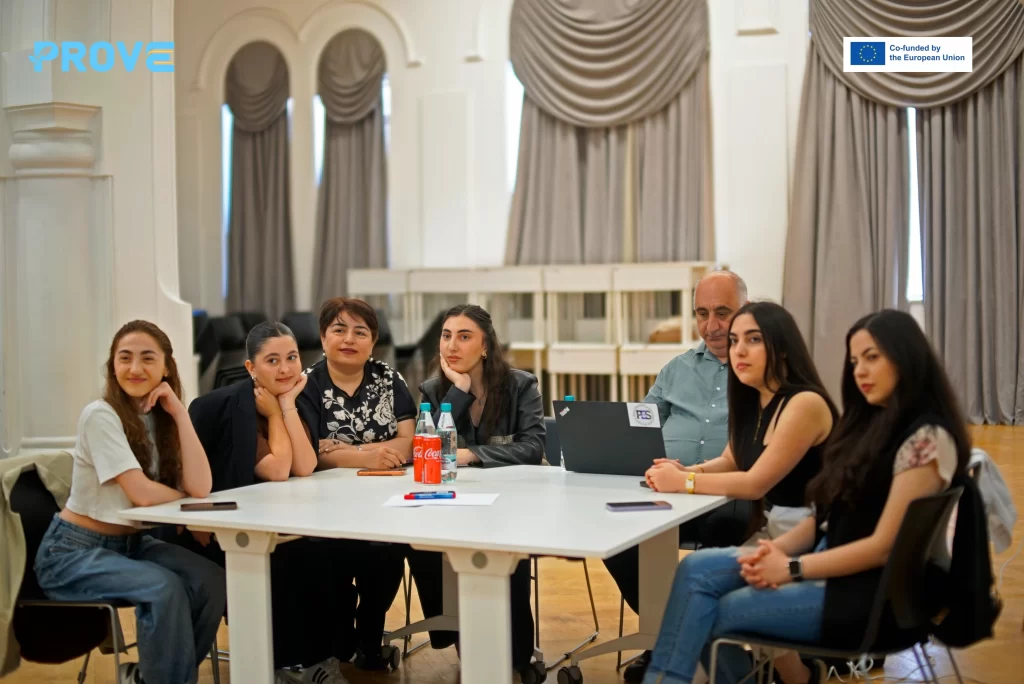
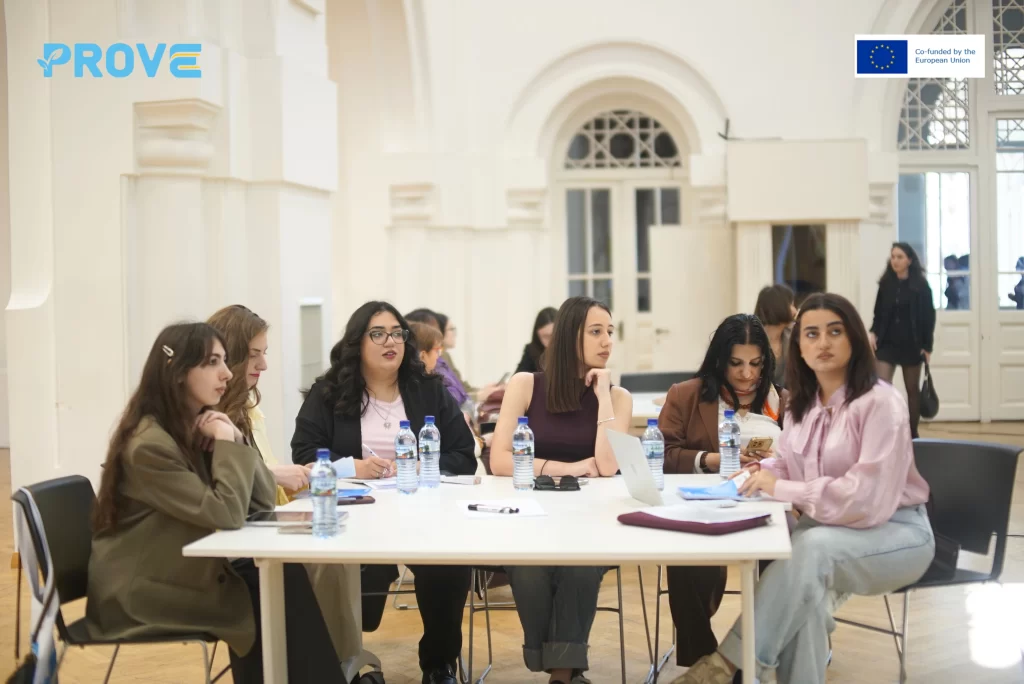
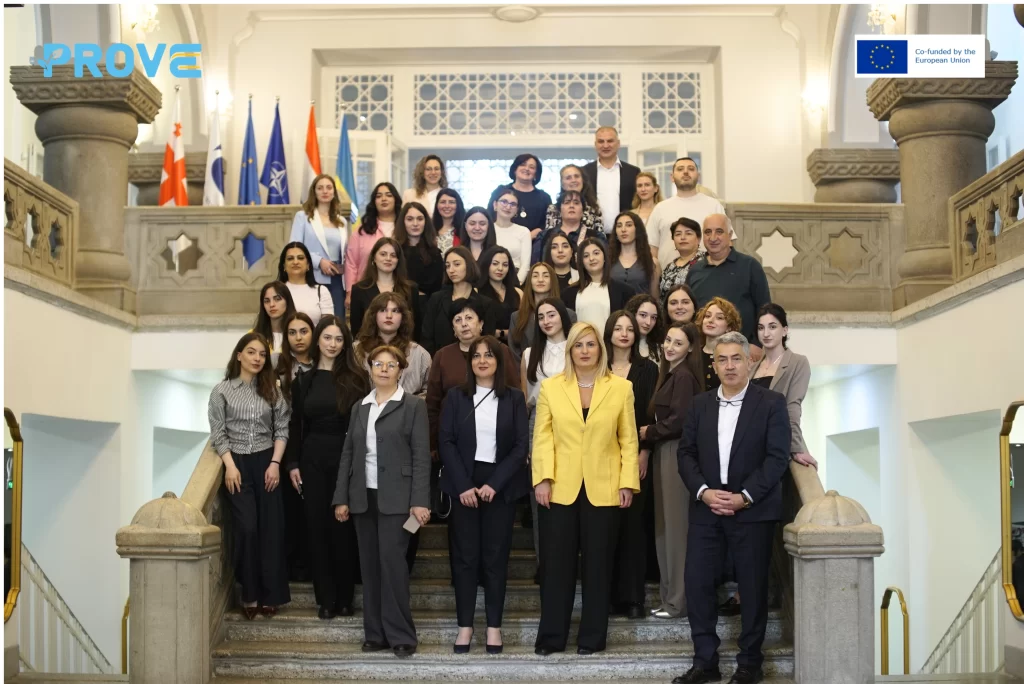
The training aimed to empower student initiatives and plan activities based on community needs. The event was attended by Armenian and Georgian students from the five higher education institutions involved in the project: Caucasus University (CU), Ilia State University (ISU), Iakov Gogebashvili Telavi State University (TeSAU), Yerevan State University (YSU), Khachatur Abovyan Armenian State Pedagogical University (ASPU).
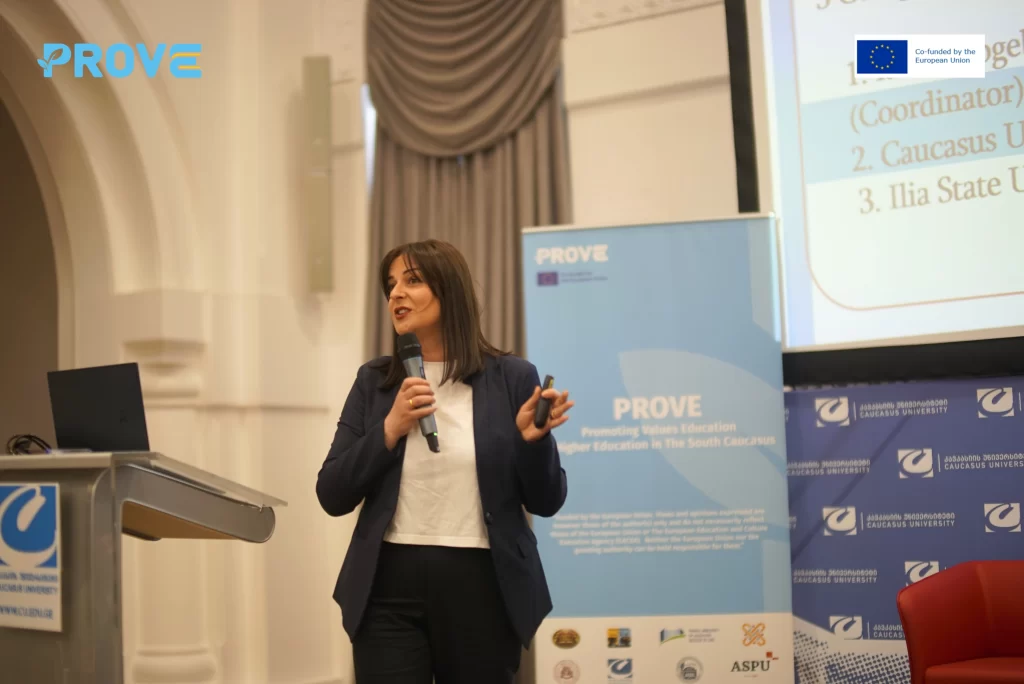
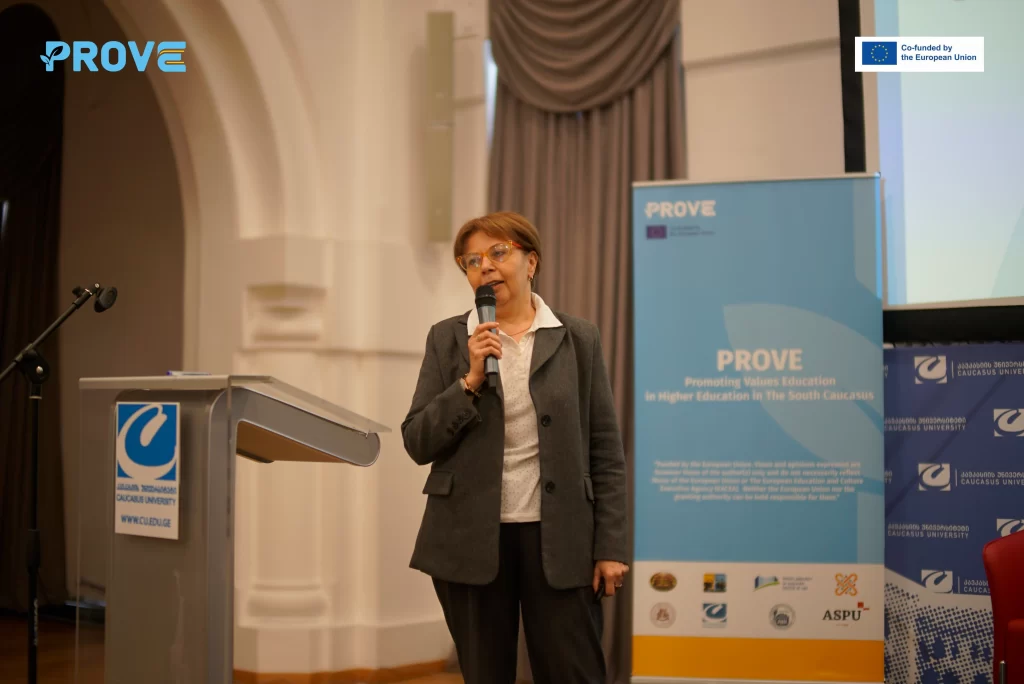
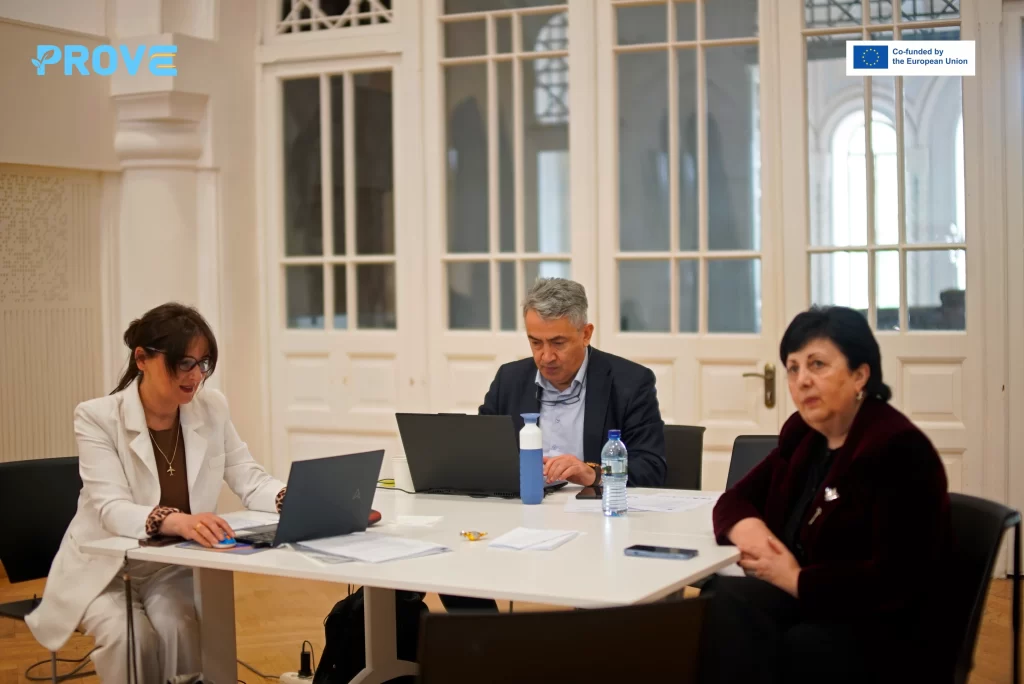
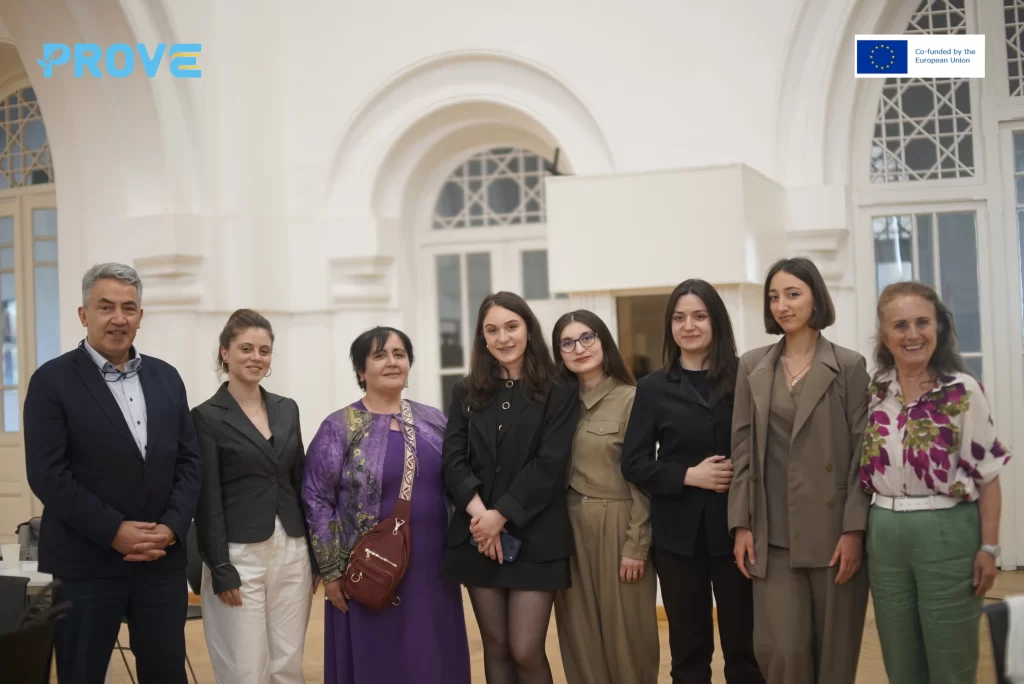
The training was organized by Georgian, Armenian, and Austrian partners. The thematic blocks were led by field experts: Ketevan Vasadze and Maia Zibzibadze from Caucasus University, Tamar Mosiasashvili from Ilia State University, and Sieglinde Weyringer, representative of the Association for Values and Knowledge Education (AVaKE).
Briefly about the Student Training on Community Activities:
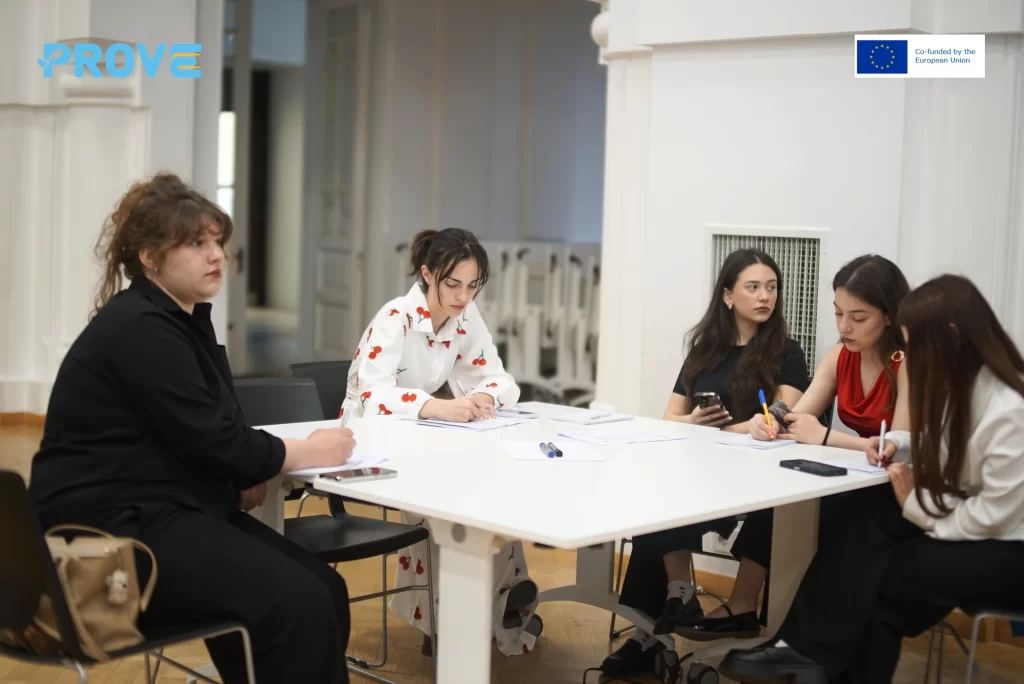
The community activities planned within the project include two stages. During the intensive training held on May 11–13, students evaluated the challenges within their communities based on theoretical material and prepared specific action plans. In the next stage, with the support of the PROVE project representatives, the students will practically implement these community activities in the selected communities. At the end of the project, the participants will gather again to summarize the outcomes of the implemented initiatives.
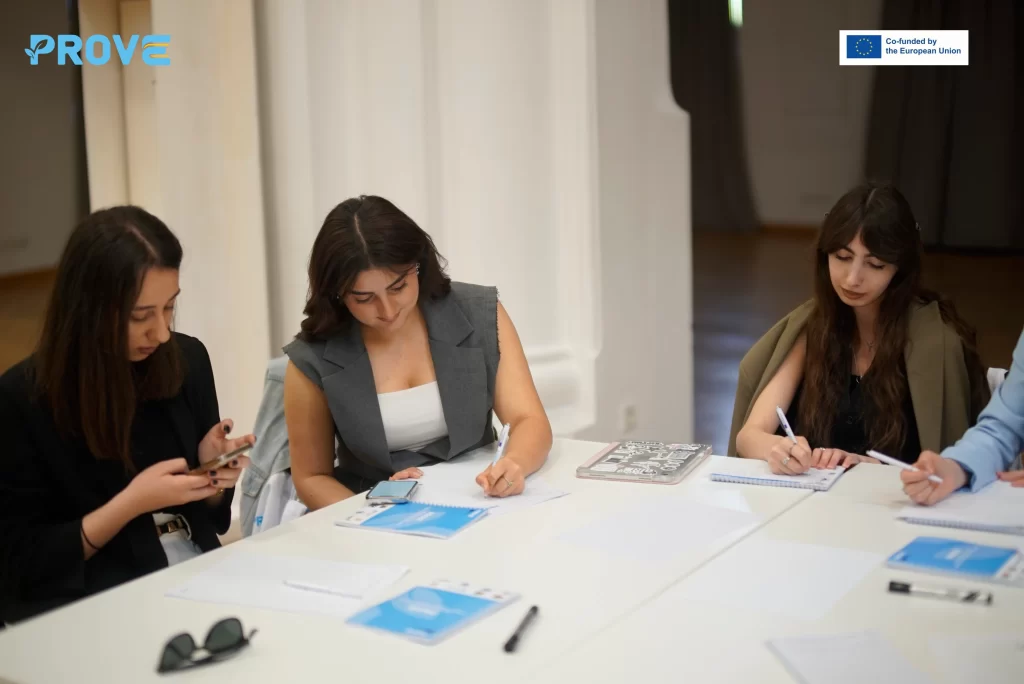
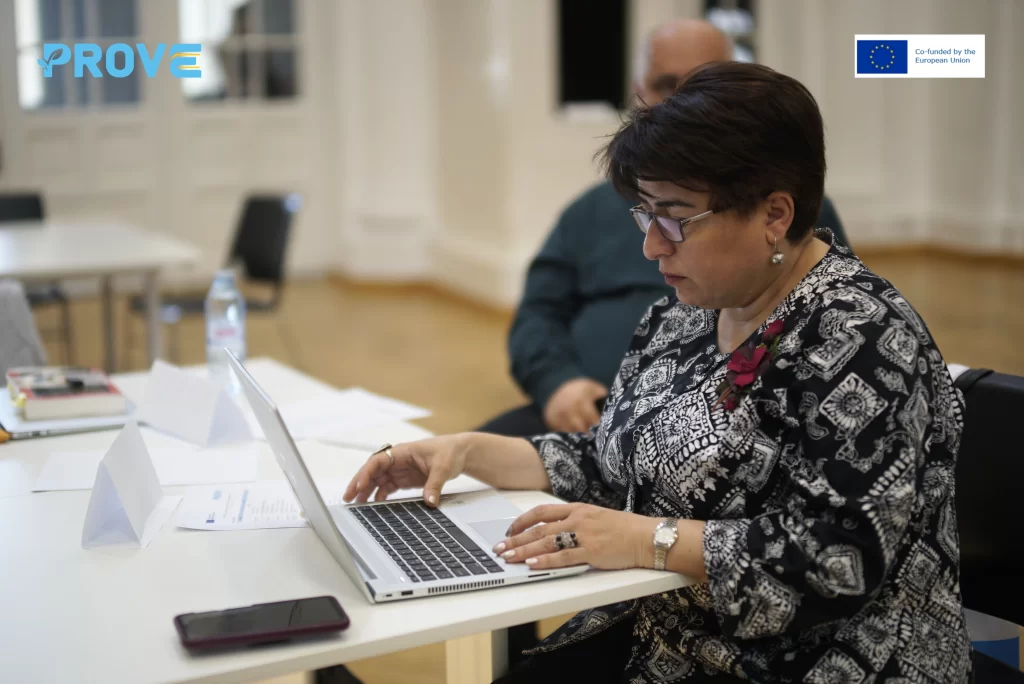
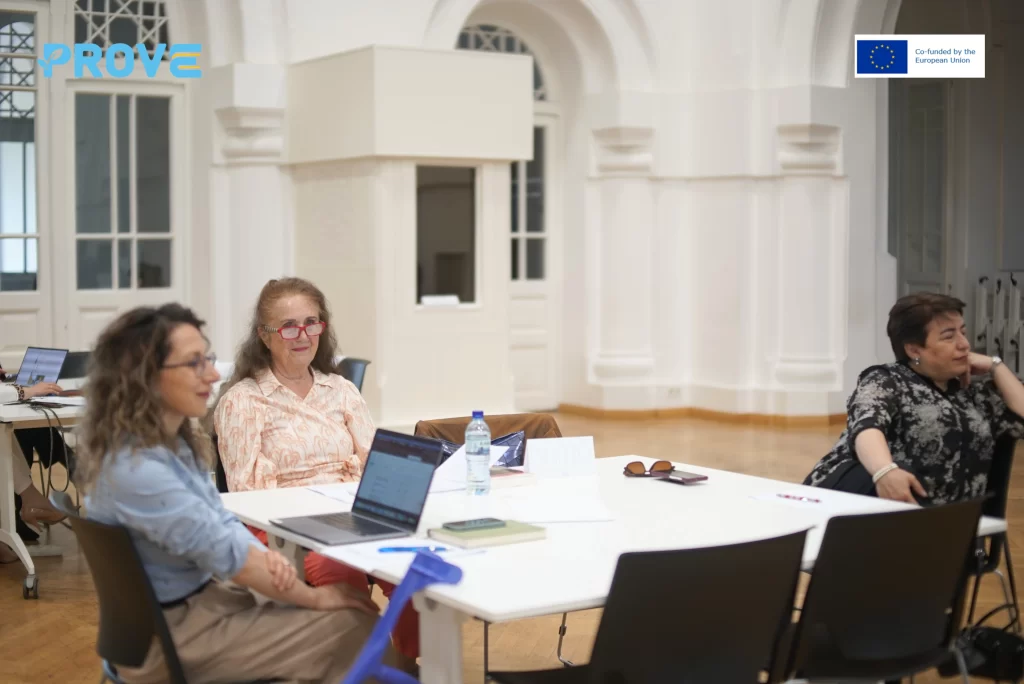
The training aimed to deepen both theoretical knowledge and practical experience. Students were introduced to the principles of Values and Knowledge Education (VaKE), Service-Learning methods, and the possibilities of their integration when implementing community projects (VaKE and Service Learning for Community projects). They also participated in Dilemma Discussions, which are an integral part of VaKE instruction and allow students to develop a profound and complex understanding of the subject matter.
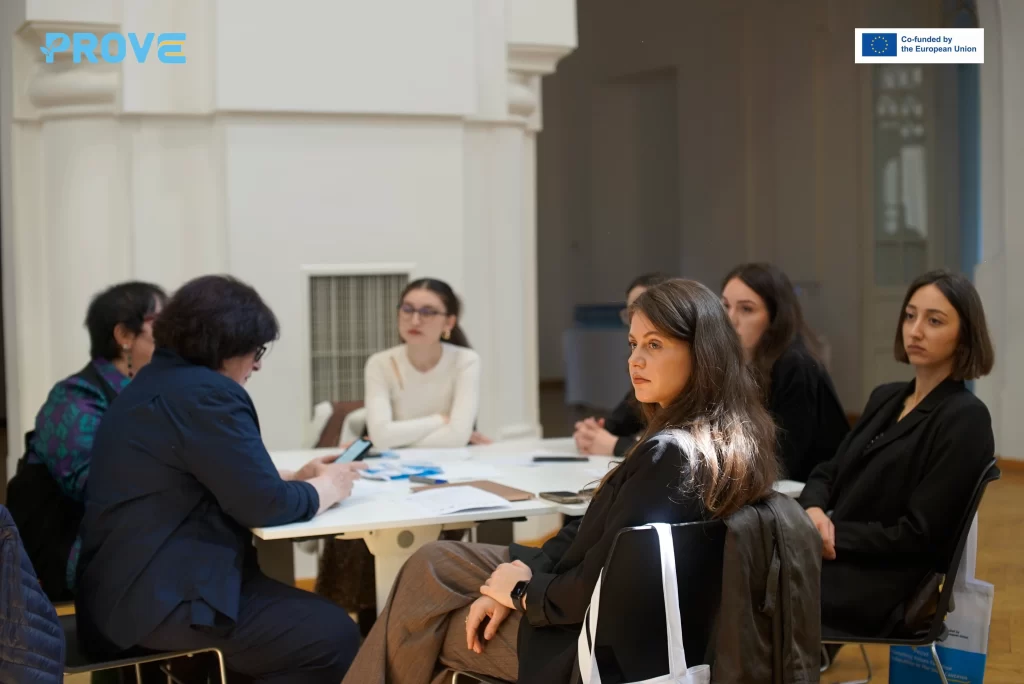
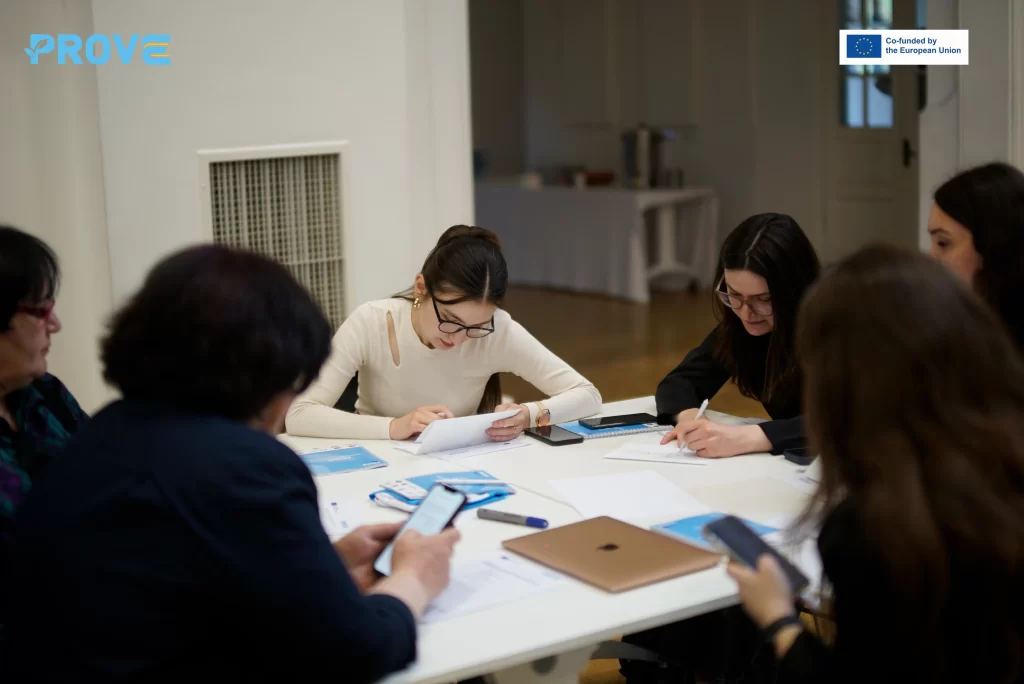
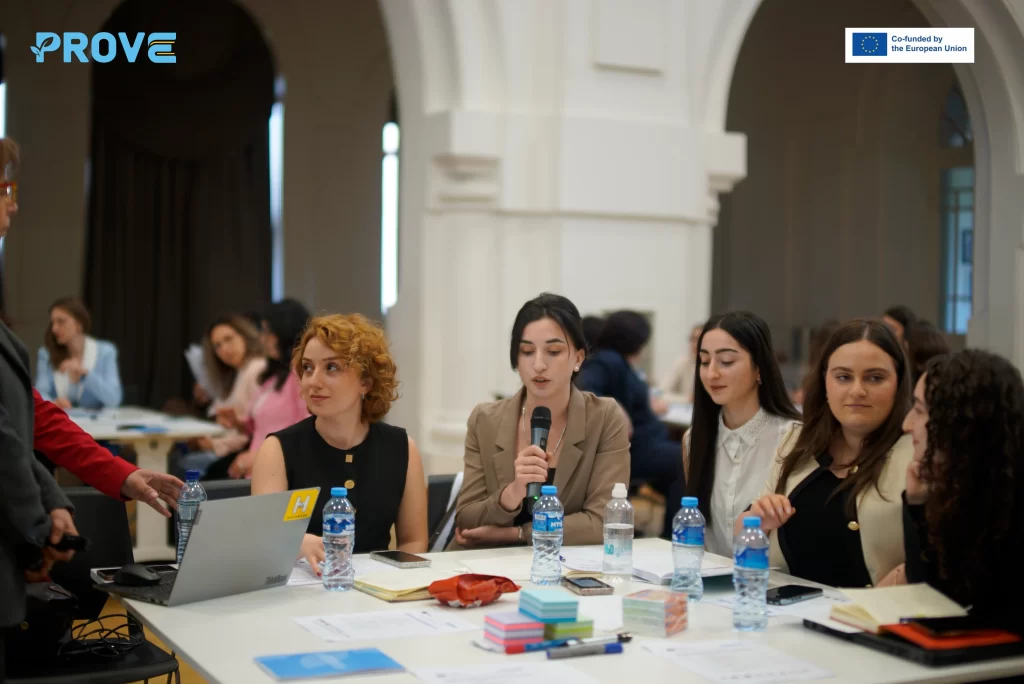
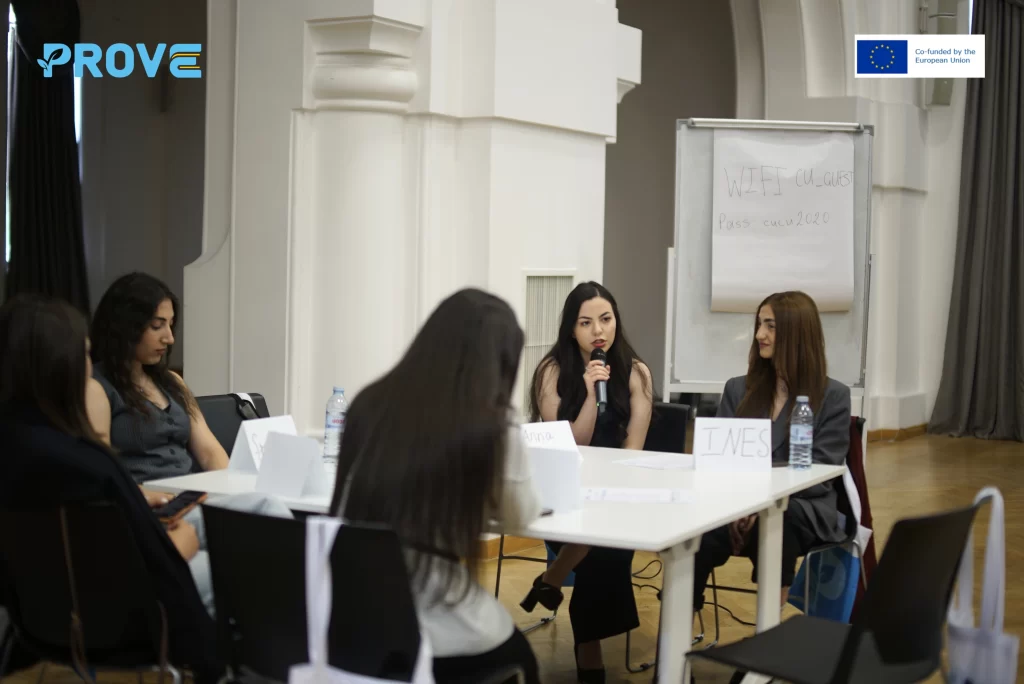
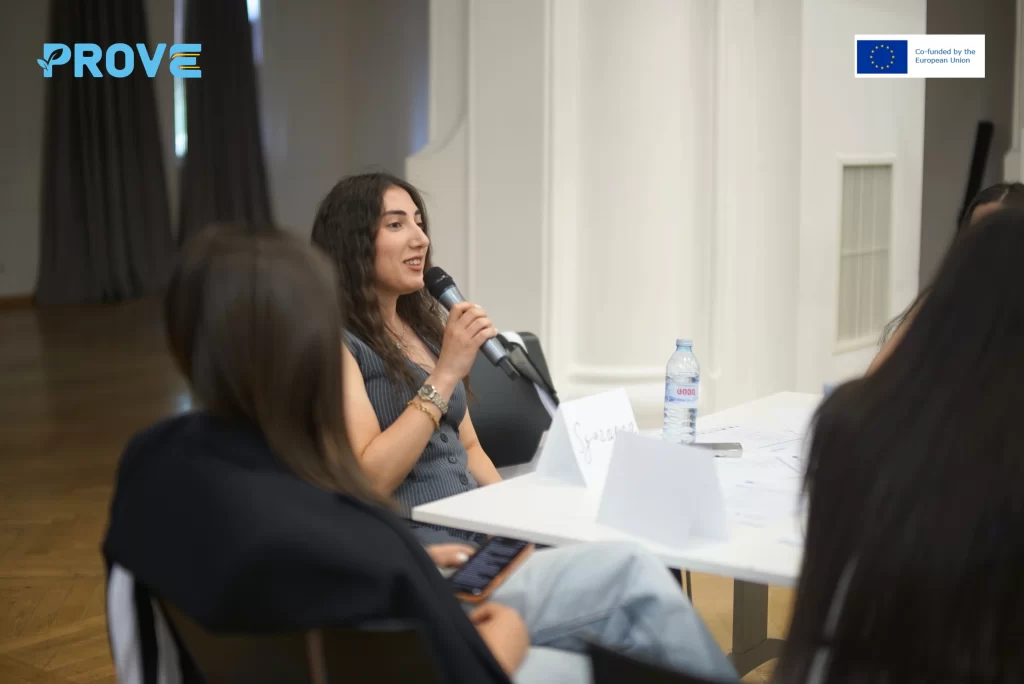
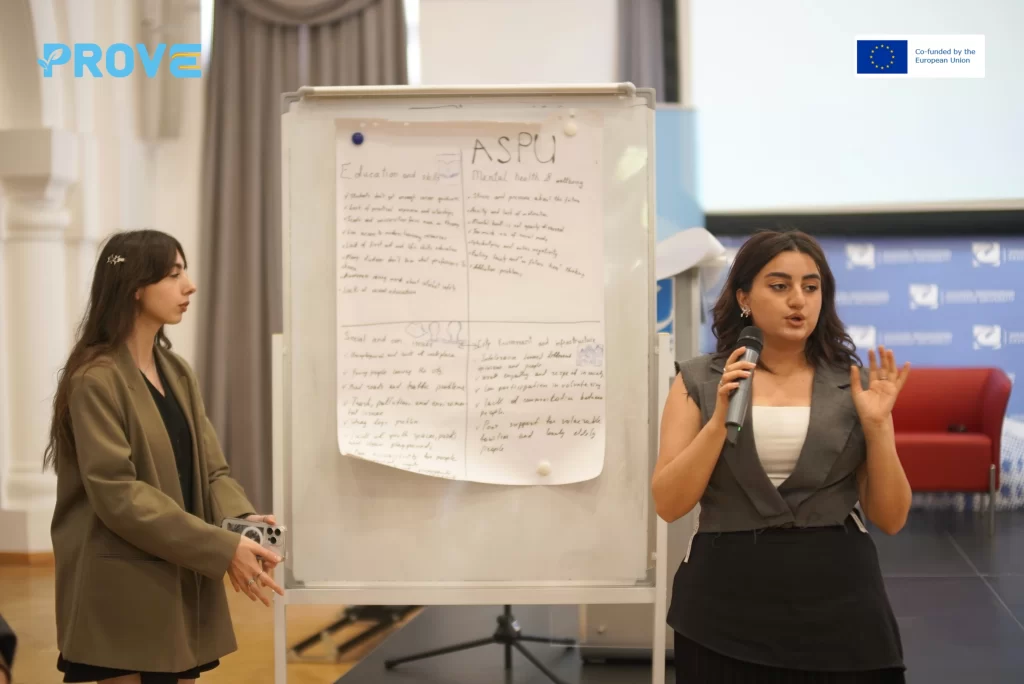
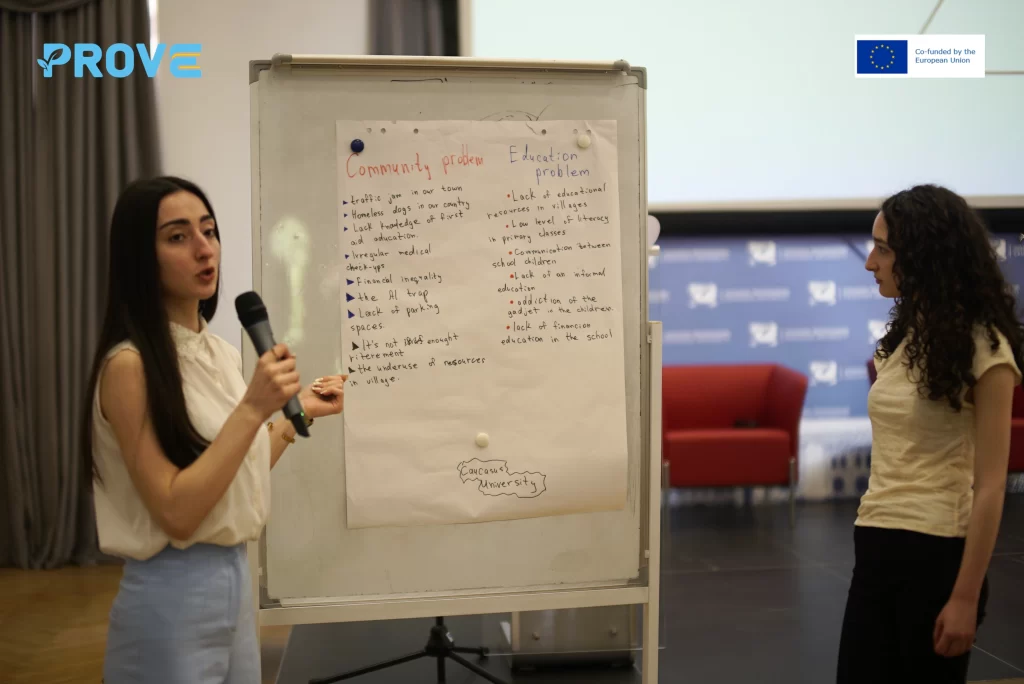
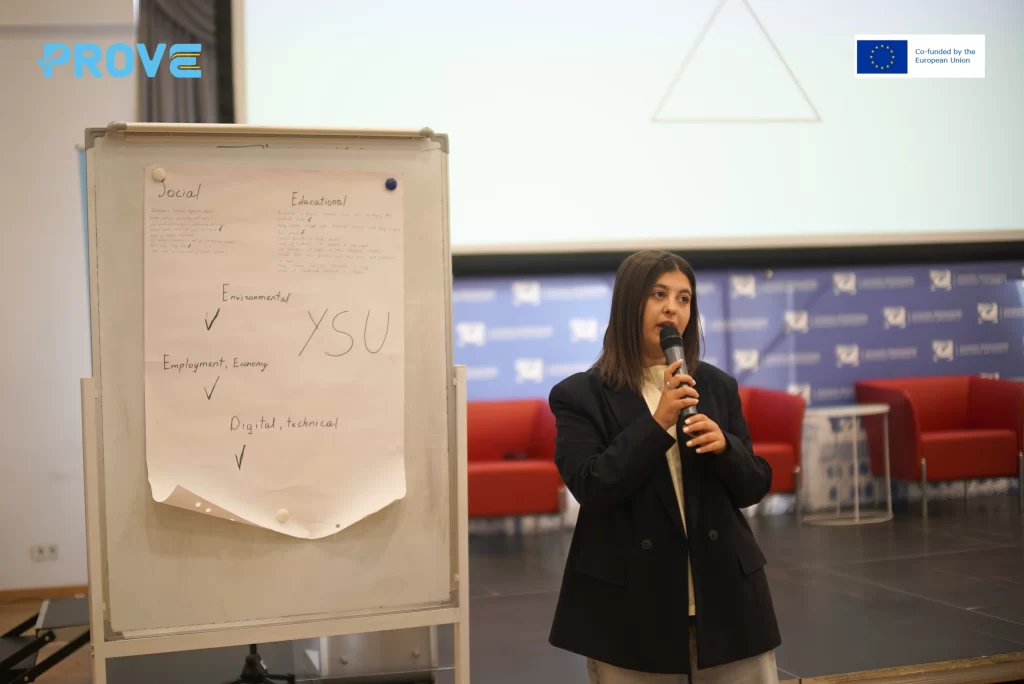
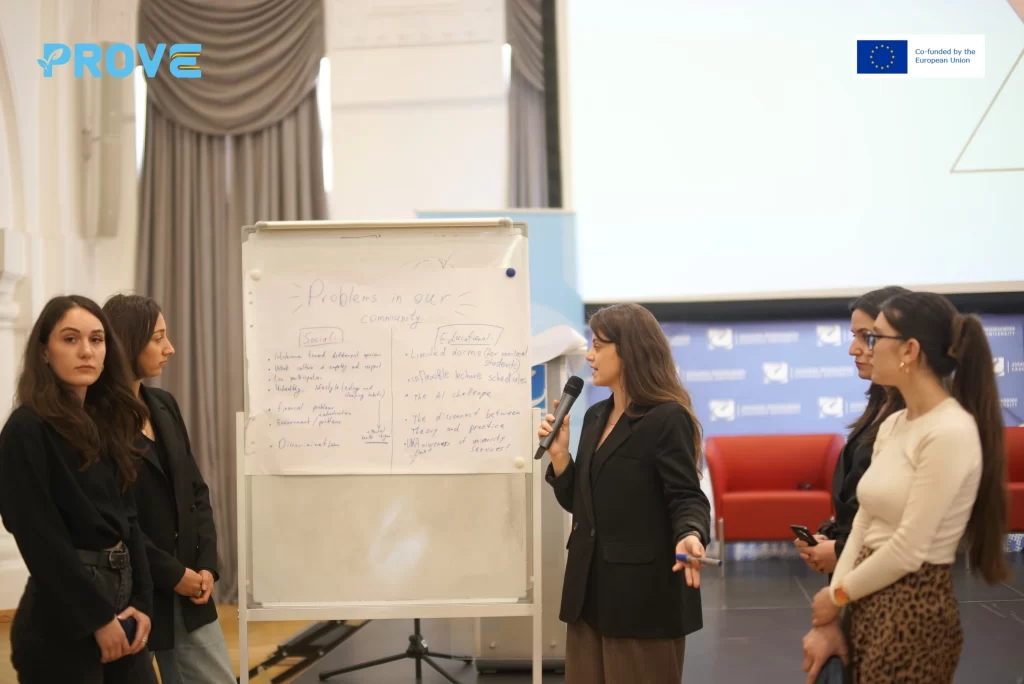
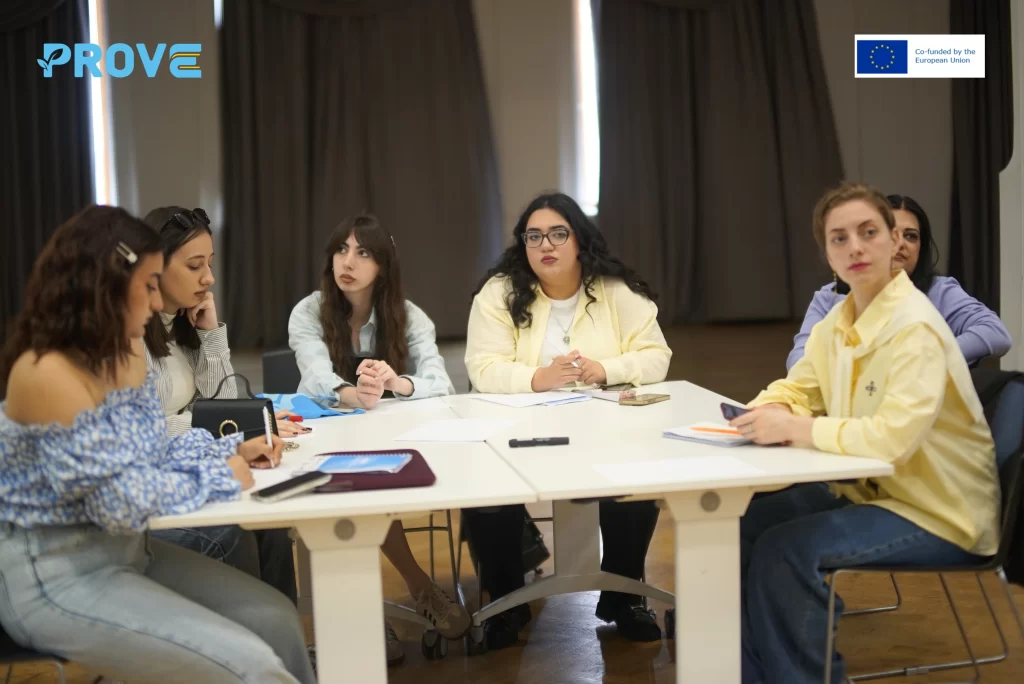
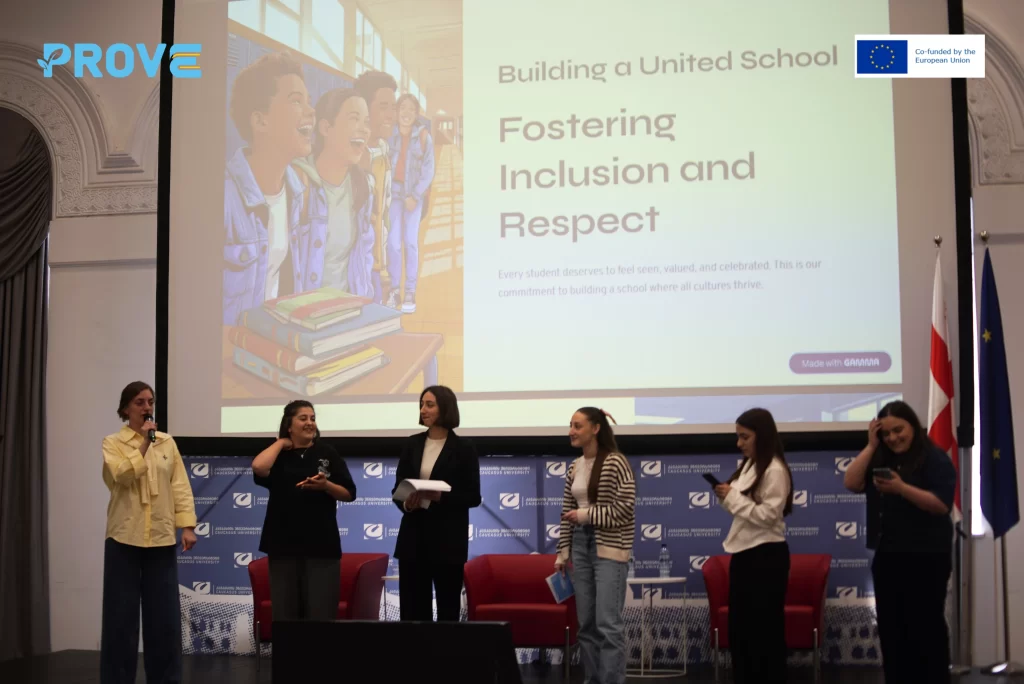
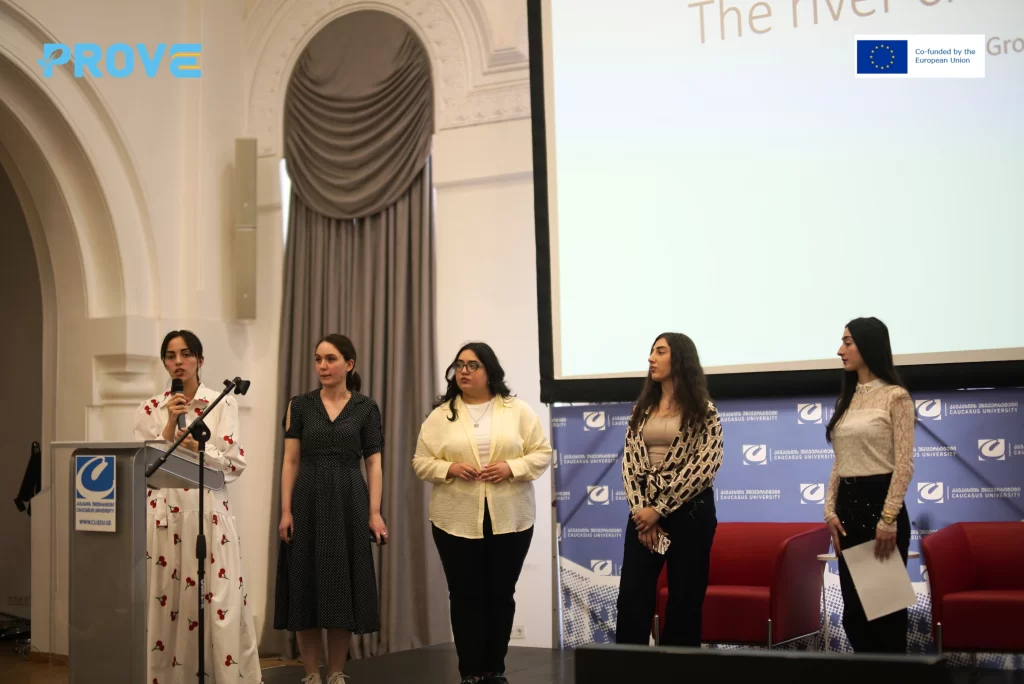
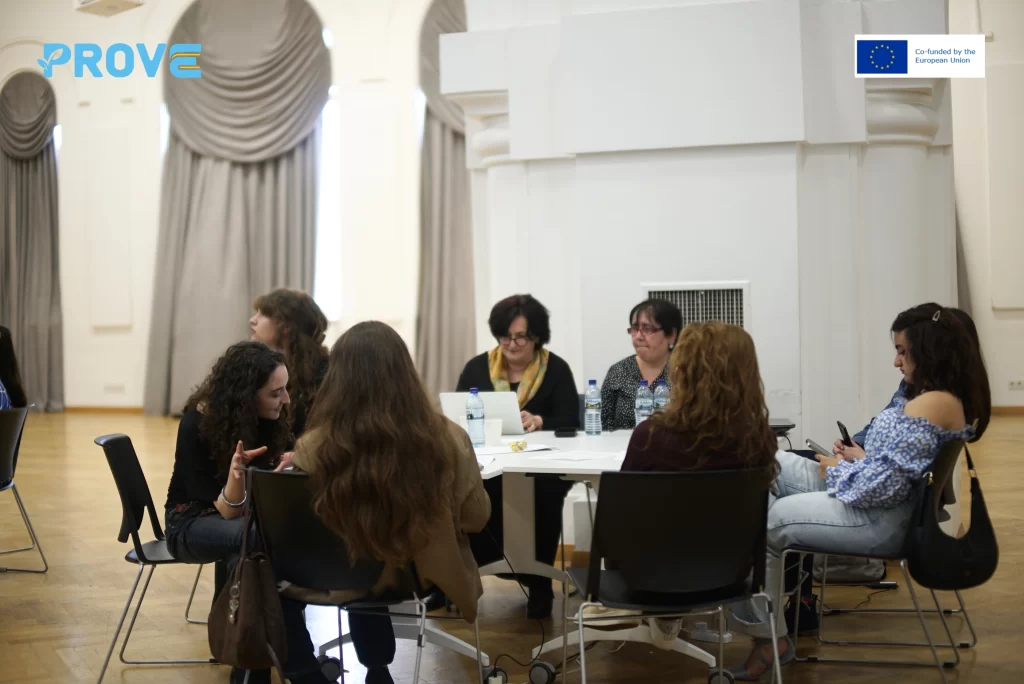
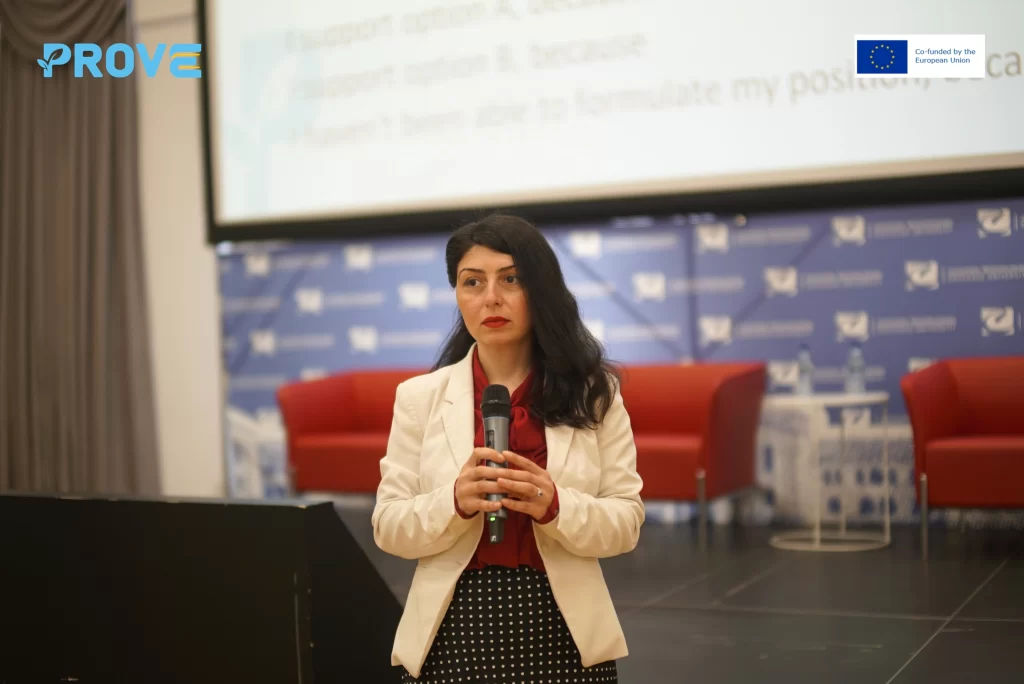
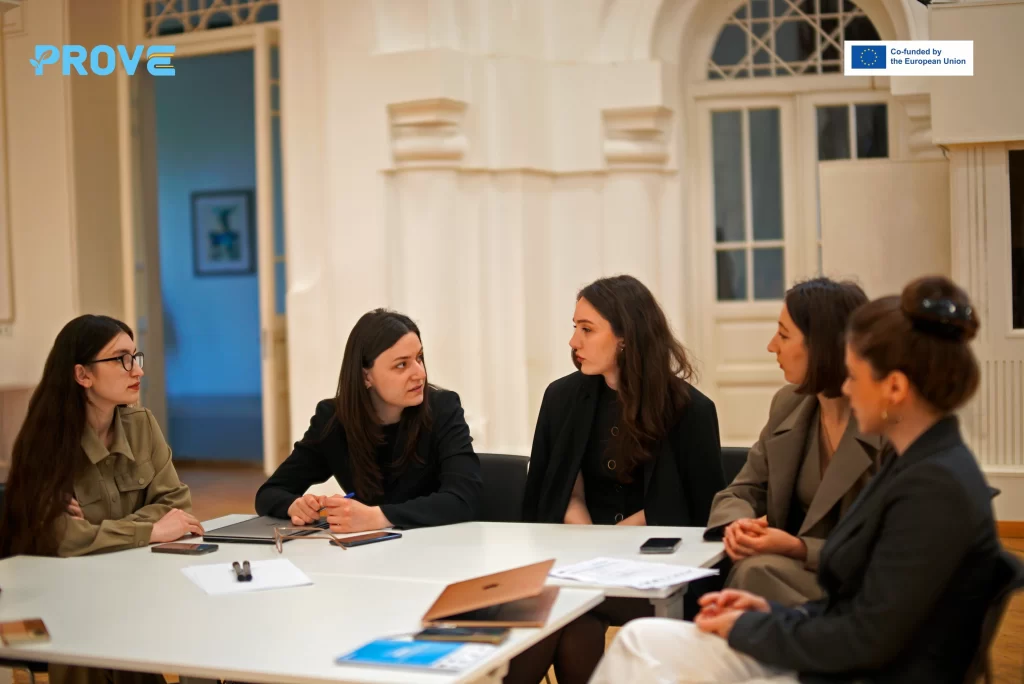
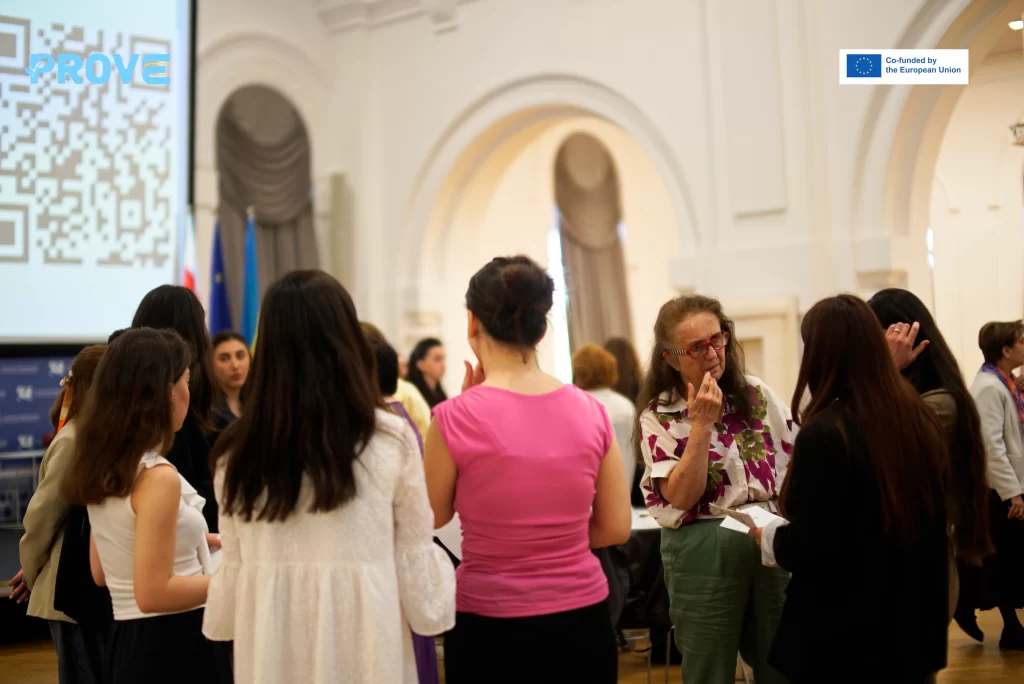
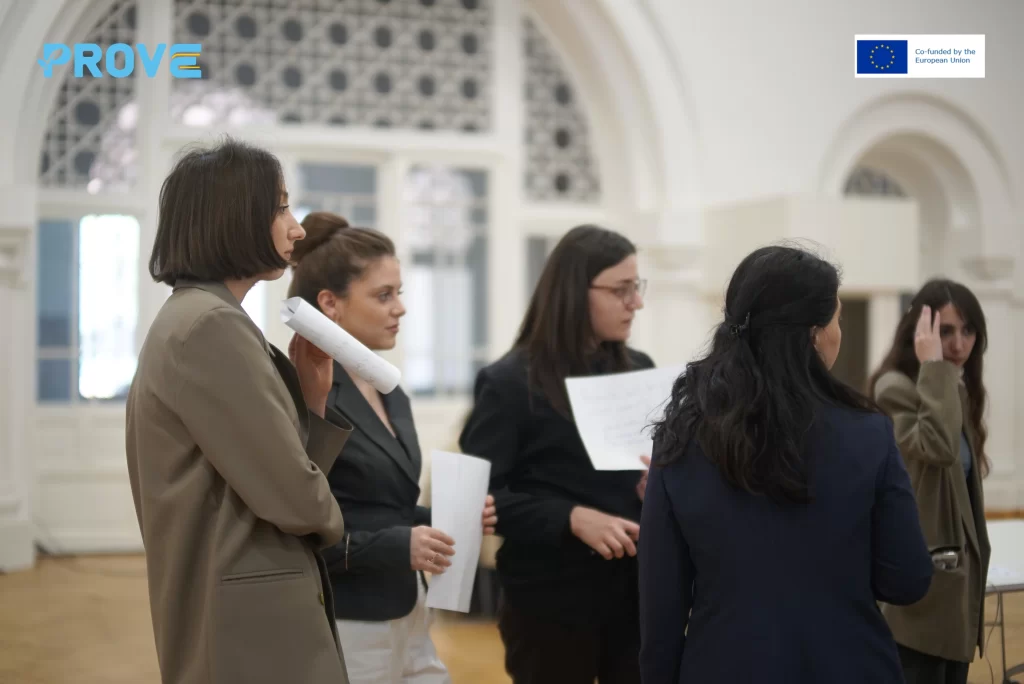
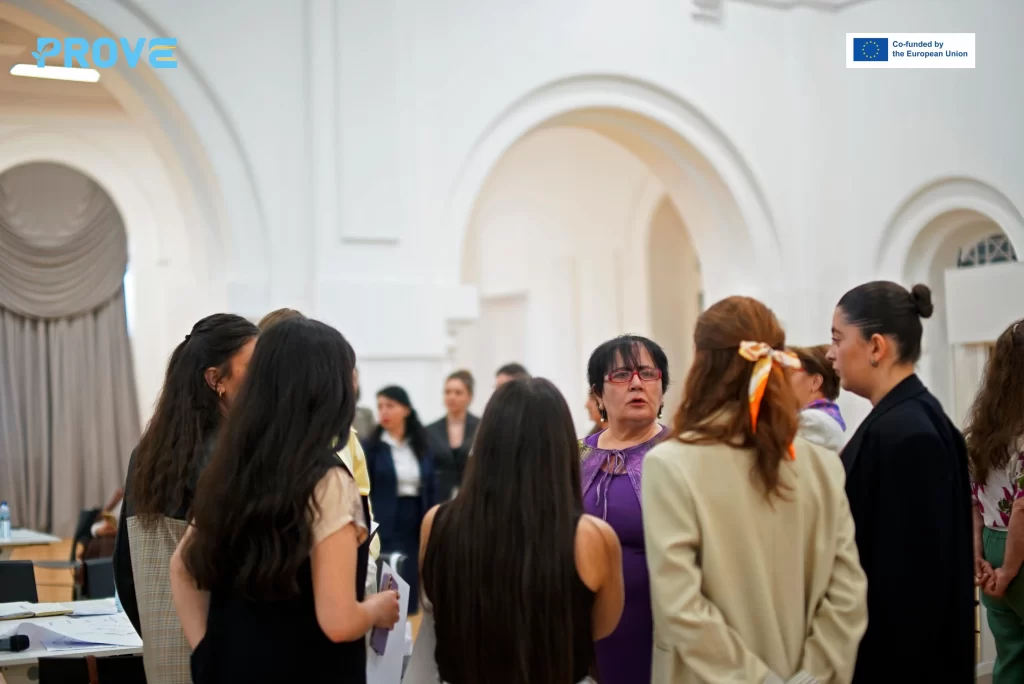
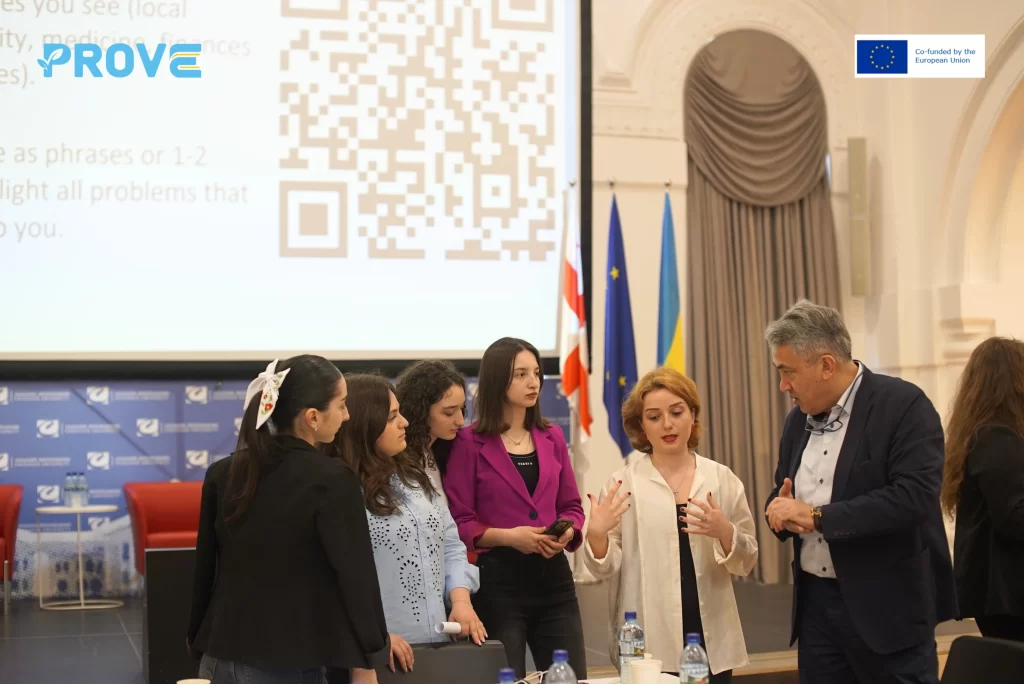
The planning of activities by the students regarding the problems existing in their communities was particularly interesting. In a teamwork format, they highlighted the challenges and needs within their communities, drafted Community Action Plans based on these needs, presented them to the audience, and received expert feedback.
A significant part of the meeting was also a joint tour of the historic districts of Georgia’s capital for the Georgian and Armenian youth and their professors. It is noteworthy that the time spent together during these three days contributed not only to the development of individual student community projects, but also to encouraging collaborative relationships and strengthening friendship between Georgian and Armenian colleagues and students.
In the coming months, the students will implement the planned community projects, which will later be introduced to the Georgian and Armenian public. The students will present the results of the implemented community projects at an international conference scheduled within the framework of the project.
The PROVE project is funded by the European Union. Views and opinions expressed are however those of the author(s) only and do not necessarily reflect those of the European Union or The European Education and Culture Executive Agency (EACEA). Neither the European Union nor the granting authority can be held responsible for them.